
IELTS アカデミック語彙(バンド8-9) 内 生物学者 語彙セット:完全かつ詳細なリスト
「IELTS アカデミック語彙(バンド8-9)」内の「生物学者」語彙セットは国際標準教材から厳選され、短期間で語彙をマスターできます。定義、例文、標準発音を網羅…
Lingolandでこの語彙セットを学習
今すぐ学習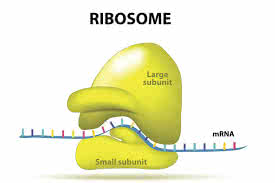
/ˈraɪ.bə.soʊm/
(noun) リボソーム
例:
Proteins are synthesized on the ribosomes in the cell's cytoplasm.
タンパク質は細胞の細胞質にあるリボソームで合成されます。
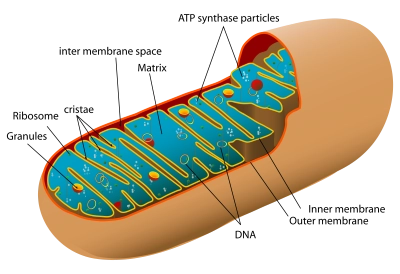
/ˌmaɪ.t̬oʊˈkɑːn.dri.ən/
(noun) ミトコンドリア
例:
The mitochondrion is often called the powerhouse of the cell.
ミトコンドリアはしばしば細胞の発電所と呼ばれます。
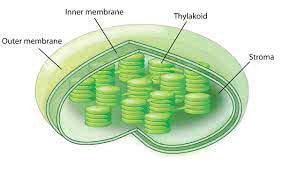
/ˈklɔːr.ə.plæst/
(noun) 葉緑体
例:
The plant cells are rich in chloroplasts, essential for photosynthesis.
植物細胞は光合成に不可欠な葉緑体が豊富です。
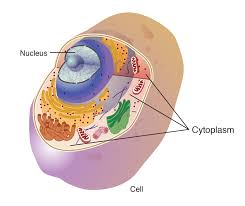
/ˈsaɪ.t̬ə.plæz.əm/
(noun) 細胞質
例:
Most of the cell's metabolic activities occur within the cytoplasm.
細胞の代謝活動のほとんどは細胞質内で行われます。
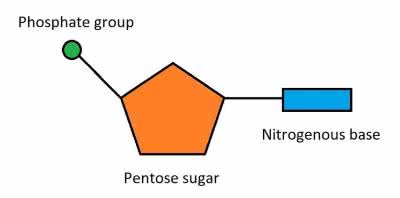
/ˈnuː.kli.oʊ/
(noun) ヌクレオチド
例:
Each strand of DNA is a long chain of nucleotides.
DNAの各鎖はヌクレオチドの長い鎖です。
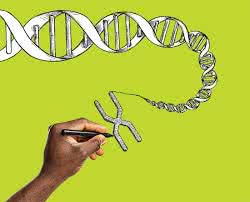
/ˈdʒiː.noʊm/
(noun) ゲノム
例:
Scientists are working to map the human genome.
科学者たちはヒトゲノムの地図作成に取り組んでいる。
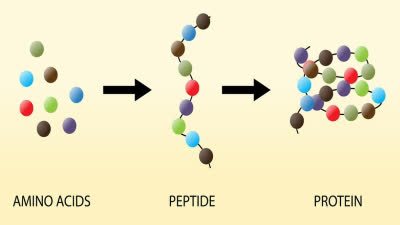
/ˌpɑː.liˈpep.taɪd/
(noun) ポリペプチド
例:
The ribosome synthesizes a polypeptide chain.
リボソームはポリペプチド鎖を合成する。
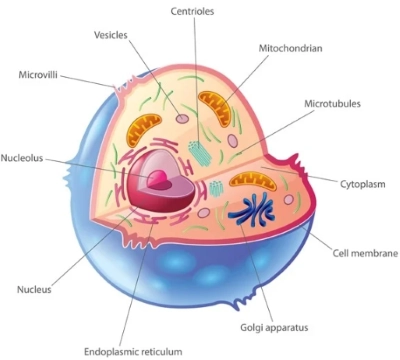
/ˌɔːr.ɡənˈel/
(noun) 細胞小器官
例:
Mitochondria are important organelles responsible for energy production.
ミトコンドリアはエネルギー生産を担う重要な細胞小器官です。
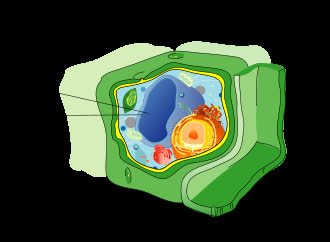
/ˈvæk.ju.oʊl/
(noun) 液胞
例:
Plant cells often have a large central vacuole.
植物細胞にはしばしば大きな中央液胞がある。
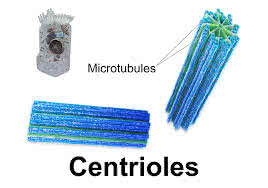
/ˈsen.tri.oʊl/
(noun) 中心小体
例:
During cell division, the centrioles move to opposite ends of the cell.
細胞分裂中、中心小体は細胞の反対側の端に移動します。
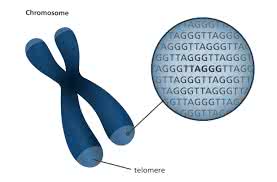
/ˈte.lə.mɪr/
(noun) テロメア
例:
The length of a telomere is often associated with cellular aging.
テロメアの長さは細胞の老化と関連していることが多い。
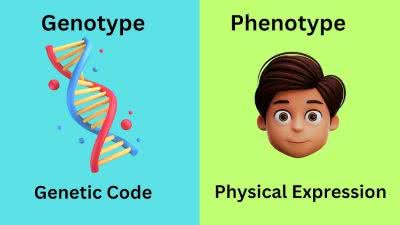
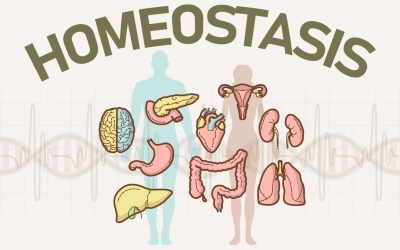
/ˌhoʊ.mi.oʊˈsteɪ.sɪs/
(noun) ホメオスタシス, 恒常性
例:
The body maintains homeostasis through various regulatory mechanisms.
体はさまざまな調節メカニズムを通じてホメオスタシスを維持します。

/trænsˈleɪ.ʃən/
(noun) 翻訳, 訳文
例:
The translation of the document took several hours.
その文書の翻訳には数時間かかった。
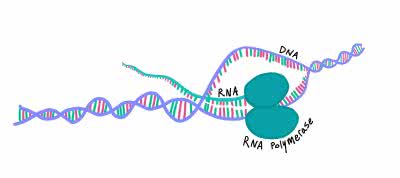
/trænˈskrɪp.ʃən/
(noun) 転写, 書き起こし, 音声認識
例:
The secretary provided a detailed transcription of the meeting minutes.
秘書は会議議事録の詳細な転写を提供した。
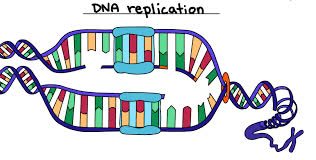
/ˌrep.ləˈkeɪ.ʃən/
(noun) 複製, 再現, 模写
例:
The experiment requires careful replication to ensure accuracy.
実験は正確性を確保するために慎重な複製が必要です。
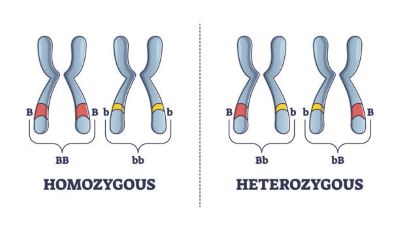
/ˌhet̬.ə.roʊˈzaɪ.ɡoʊt/
(noun) ヘテロ接合体, 異型接合体
例:
In this genetic cross, the heterozygote displays a phenotype intermediate between the two homozygotes.
この遺伝的交配において、ヘテロ接合体は2つのホモ接合体の中間の表現型を示します。
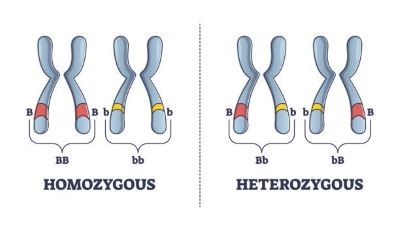
/ˌhoʊ.məˈzaɪ.ɡoʊt/
(noun) ホモ接合体
例:
The plant was a homozygote for the red flower gene.
その植物は赤い花の遺伝子に関してホモ接合体だった。
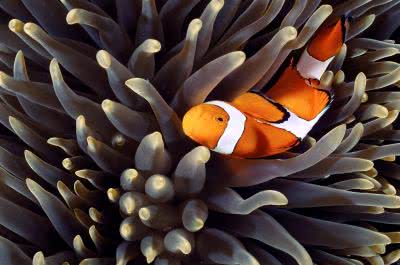
/ˌsɪm.baɪˈoʊ.sɪs/
(noun) 共生, 相互利益関係
例:
The clownfish and the sea anemone live in a perfect example of symbiosis.
カクレクマノミとイソギンチャクは共生の完璧な例として生きています。
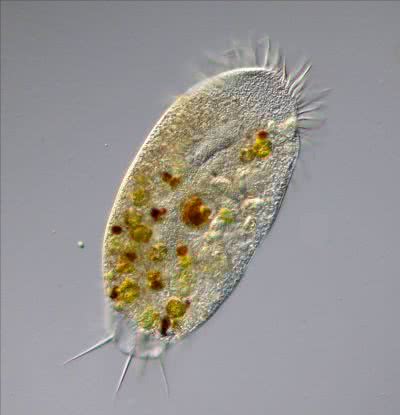
/əˈmiː.bə/
(noun) アメーバ
例:
The ameba moved slowly across the microscope slide.
アメーバは顕微鏡のスライド上をゆっくりと移動した。
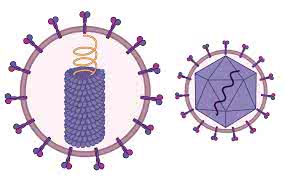
/ˈkæpsɪd/
(noun) カプシド
例:
The viral genome is protected by the capsid.
ウイルスゲノムはカプシドによって保護されている。
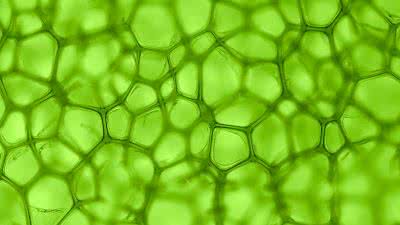
/ˈklɔːr.ə.fɪl/
(noun) クロロフィル, 葉緑素
例:
The leaves get their green color from chlorophyll.
葉はクロロフィルから緑色を得る。
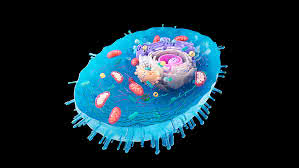
/juːˈker.i.oʊt/
(noun) 真核生物
例:
Humans are eukaryotes, as our cells contain a nucleus.
人間は細胞に核を持つ真核生物です。
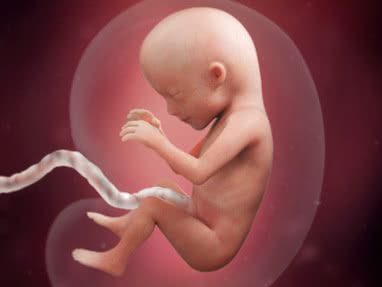
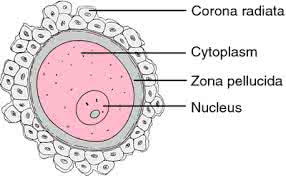
/ˈoʊ.vəm/
(noun) 卵子
例:
The fertilization of an ovum by a sperm marks the beginning of a new life.
精子による卵子の受精は、新しい生命の始まりを示します。
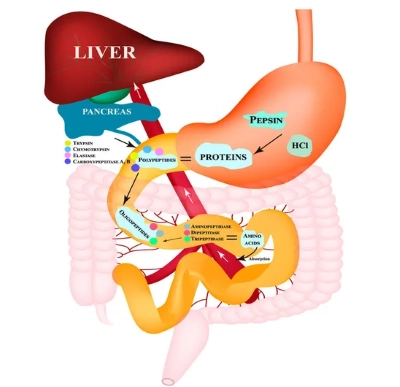
/ˈpep.sɪn/
(noun) ペプシン
例:
Pepsin is crucial for the initial stages of protein digestion.
ペプシンはタンパク質消化の初期段階に不可欠です。
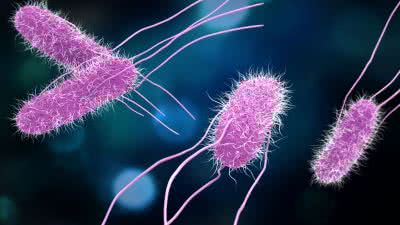
/proʊˈker.i.oʊt/
(noun) 原核生物
例:
Bacteria are a common example of a prokaryote.
バクテリアは原核生物の一般的な例です。