Avatar of Vocabulary Set ユニット18:明日の天気はどうなりますか?

5年生 内 ユニット18:明日の天気はどうなりますか? 語彙セット:完全かつ詳細なリスト

「5年生」内の「ユニット18:明日の天気はどうなりますか?」語彙セットは国際標準教材から厳選され、短期間で語彙をマスターできます。定義、例文、標準発音を網羅…

Lingolandでこの語彙セットを学習

今すぐ学習

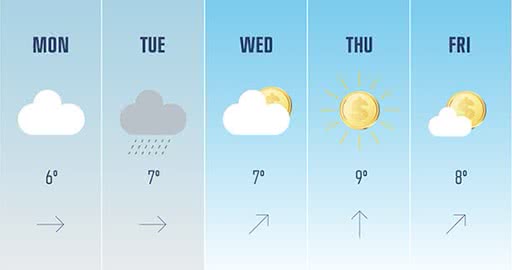
weather

/ˈweð.ɚ/

(noun) 天気, 気象;

(verb) 風化させる, 耐える, 乗り切る

例:

The weather is beautiful today.
今日の天気は素晴らしいです。

forecast

/ˈfɔːr.kæst/

(noun) 予報, 予測;

(verb) 予報する, 予測する

例:

The weather forecast predicts rain for tomorrow.
天気予報は明日雨を予測しています。

hot

/hɑːt/

(adjective) 熱い, 暑い, 辛い;

(adverb) 熱く, 暑く

例:

Be careful, the plate is very hot.
気をつけて、お皿はとても熱いです。

cold

/koʊld/

(adjective) 寒い, 冷たい, 無感情な;

(noun) 風邪

例:

It's cold outside, so wear a jacket.
外は寒いから、ジャケットを着てね。

windy

/ˈwɪn.di/

(adjective) 風の強い, 曲がりくねった, くねくねした

例:

It's very windy today, so hold onto your hat.
今日はとても風が強いので、帽子をしっかり押さえてください。

sunny

/ˈsʌn.i/

(adjective) 晴れた, 日当たりの良い, 明るい

例:

It was a beautiful sunny day, perfect for a picnic.
ピクニックに最適な、美しい晴れた日でした。

cloudy

/ˈklaʊ.di/

(adjective) 曇りの, 雲の多い, 濁った

例:

The sky was cloudy all day, so we couldn't see the sun.
一日中空は曇っていたので、太陽は見えなかった。

stormy

/ˈstɔːr.mi/

(adjective) 嵐の, 荒れた, 激しい

例:

We had to cancel our picnic due to the stormy weather.
嵐の天気のため、ピクニックを中止しなければならなかった。

cool

/kuːl/

(adjective) 涼しい, 冷たい, かっこいい;

(verb) 冷やす, 冷ます;

(noun) 涼しさ, 冷たさ

例:

The evening air was pleasantly cool.
夕方の空気は心地よく涼しかった

rainy

/ˈreɪ.ni/

(adjective) 雨の

例:

We had a very rainy summer this year.
今年はとても雨の多い夏でした。

warm

/wɔːrm/

(adjective) 暖かい, 温かい, 親切な;

(verb) 温める, 暖まる;

(adverb) 温かく, 暖かく

例:

The sun felt warm on my skin.
太陽が肌に暖かく感じられた。

snowy

/ˈsnoʊ.i/

(adjective) 雪の, 雪に覆われた, 雪のような

例:

The mountains were beautiful with their snowy peaks.
山々は雪に覆われた頂で美しかった。

tomorrow

/təˈmɔːr.oʊ/

(adverb) 明日;

(noun) 明日

例:

I will see you tomorrow.
明日会いましょう。

temperature

/ˈtem.pɚ.ə.tʃɚ/

(noun) 温度, 熱

例:

The room temperature is 25 degrees Celsius.
室温は摂氏25度です。

popcorn

/ˈpɑːp.kɔːrn/

(noun) ポップコーン

例:

We bought a large bucket of popcorn at the movie theater.
映画館で大きなバケツのポップコーンを買いました。

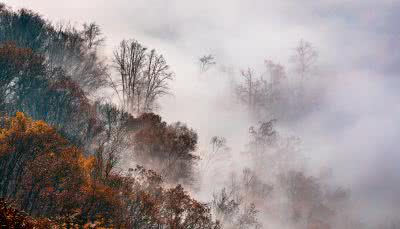
foggy

/ˈfɑː.ɡi/

(adjective) 霧の深い, 霧がかかった, 曖昧な

例:

It was a cold and foggy morning.
寒くて霧の深い朝だった。

spring

/sprɪŋ/

(noun) 春, スプリング, ばね;

(verb) 跳ねる, 飛び出す, 生じる

例:

Flowers bloom beautifully in spring.
花はに美しく咲きます。

summer

/ˈsʌm.ɚ/

(noun) 夏;

(verb) 夏を過ごす

例:

We usually go on vacation in the summer.
私たちは通常、に休暇を取ります。

autumn

/ˈɑː.t̬əm/

(noun)

例:

The leaves turn beautiful colors in autumn.
には葉が美しい色に変わります。

winter

/ˈwɪn.t̬ɚ/

(noun) 冬;

(verb) 越冬する, 冬を過ごす

例:

I love to ski in the winter.
にスキーをするのが大好きです。

plant

/plænt/

(noun) 植物, 草木, 工場;

(verb) 植える, 蒔く, 仕掛ける

例:

She watered the plant every morning.
彼女は毎朝植物に水をやった。

flower

/ˈflaʊ.ɚ/

(noun) 花;

(verb) 咲く, 開花する

例:

The garden is full of beautiful flowers.
庭は美しいでいっぱいです。

north

/nɔːrθ/

(noun) 北;

(adjective) 北の, 北向きの;

(adverb) 北へ, 北に

例:

The wind is blowing from the north.
風はから吹いている。

south

/saʊθ/

(noun) 南;

(adjective) 南の;

(adverb) 南へ

例:

The birds fly south for the winter.
鳥たちは冬に南へ飛ぶ。

month

/mʌnθ/

(noun)

例:

There are twelve months in a year.
1年には12のがあります。

dry

/draɪ/

(adjective) 乾いた, 乾燥した, 干ばつの;

(verb) 乾かす, 乾燥させる

例:

The clothes are still dry.
服はまだ乾いています。

wet

/wet/

(adjective) 濡れた, 湿った, 雨の多い;

(verb) 濡らす, 湿らせる

例:

My clothes got completely wet in the rain.
雨で服が完全に濡れてしまった。

wind

/wɪnd/

(noun) 風, 息, 呼吸;

(verb) 巻く, 曲がりくねる, ぜんまいを巻く

例:

The wind blew strongly from the west.
が西から強く吹いた。

will

/wɪl/

(modal verb) だろう, でしょう, 〜するつもりだ;

(noun) 意志, 意欲, 遺言;

(verb) 遺贈する, 遺言で残す

例:
I will be there by 5 PM.
午後5時までに到着します

snow

/snoʊ/

(noun) 雪;

(verb) 雪が降る

例:

The children were excited to see the first snow of the winter.
子供たちは冬の最初のを見て興奮していた。

rain

/reɪn/

(noun) 雨;

(verb) 雨が降る

例:

The rain started pouring just as we left.
私たちが出発した途端、が降り始めた。
Lingolandでこの語彙セットを学習