
最も一般的な英単語500選 内 Top 201 - 225 Nouns 語彙セット:完全かつ詳細なリスト
「最も一般的な英単語500選」内の「Top 201 - 225 Nouns」語彙セットは国際標準教材から厳選され、短期間で語彙をマスターできます。定義、例文、標準発音を網羅…
Lingolandでこの語彙セットを学習
今すぐ学習
/rɪˈzʌlt/
(noun) 結果, 成果, 成績;
(verb) 結果として生じる, 〜に終わる
例:
The positive result of the experiment was celebrated.
実験の肯定的な結果が祝われた。

/triː/
(noun) 木, ツリー, 図;
(verb) 木に追い上げる, 木に追い詰める
例:
The old oak tree stood tall in the forest.
古いオークの木が森の中に高く立っていた。

/fiːld/
(noun) 畑, 野原, 分野;
(verb) 対応する, 処理する
例:
The farmer walked across the field to check on his crops.
農夫は作物をチェックするために畑を横切って歩いた。

/ˈbʌt̬.ən/
(noun) ボタン, スイッチ;
(verb) ボタンを留める, ボタンを押す
例:
She sewed a new button on her coat.
彼女はコートに新しいボタンを縫い付けた。


/əˈbɪl.ə.t̬i/
(noun) 能力, 才能
例:
She has the ability to learn new languages quickly.
彼女は新しい言語を素早く学ぶ能力がある。

/ɡoʊl/
(noun) 目標, 目的, ゴール
例:
My main goal is to finish this project on time.
私の主な目標は、このプロジェクトを期限内に終えることです。

/ˈriː.sɝːtʃ/
(noun) 研究, 調査;
(verb) 研究する, 調査する
例:
She is conducting research on climate change.
彼女は気候変動に関する研究を行っている。

/ˈner.eɪ.t̬ɚ/
(noun) 語り手, ナレーター
例:
The story is told from the perspective of an unreliable narrator.
物語は信頼できない語り手の視点から語られる。

/rɪˈkɔːrd/
(noun) レコード, 盤, 記録;
(verb) 記録する, 録音する, 録画する
例:
She put on an old jazz record.
彼女は古いジャズのレコードをかけた。


/lɪst/
(noun) リスト, 一覧;
(verb) リストアップする, 記載する
例:
Make a shopping list before you go to the store.
店に行く前に買い物リストを作ってください。

/ˈpreʃ.ɚ/
(noun) 圧力, 重圧, プレッシャー;
(verb) 圧力をかける, 強制する
例:
The deep sea diver experienced immense pressure.
深海ダイバーは途方もない圧力を経験した。
/ˈsiː.zən/
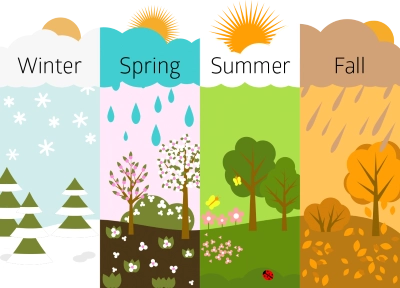
(noun) 季節, シーズン;
(verb) 味付けする, 調味料を加える
例:
Autumn is my favorite season.
秋は私のお気に入りの季節です。


/dɪˈvel.əp.mənt/
(noun) 開発, 発展, 成長
例:
The development of new technologies is crucial for economic growth.
新技術の開発は経済成長にとって不可欠です。

/tʃɔɪs/
(noun) 選択, 選択肢, 最良;
(adjective) 上質な, 厳選された
例:
You have a choice between coffee and tea.
コーヒーと紅茶のどちらかを選ぶ選択肢があります。

/faɪt/
(noun) 戦い, 喧嘩, 口論;
(verb) 戦う, 喧嘩する, 奮闘する
例:
The two boxers were ready for a big fight.
2人のボクサーは大きな戦いの準備ができていた。

/ˈpeɪ.pɚ/
(noun) 紙, 新聞, 論文;
(verb) 壁紙を貼る, 飾る
例:
She wrote a letter on a piece of paper.
彼女は一枚の紙に手紙を書いた。

/pəˈliːs/
(noun) 警察;
(verb) 取り締まる, 監視する
例:
The police arrived quickly at the scene of the accident.
警察は事故現場にすぐに到着した。

/tuːl/
(noun) 道具, 工具, 手先;
(verb) 道具を揃える, 装備する
例:
He used a hammer as a tool to fix the broken chair.
彼は壊れた椅子を直すためにハンマーを道具として使った。

/stɑːr/
(noun) 星, スター, 有名人;
(verb) 主演する, 主役を演じる;
(adjective) 素晴らしい, 優秀な
例:
The night sky was filled with twinkling stars.
夜空はきらめく星でいっぱいだった。

/prəˈdʌk.ʃən/
(noun) 生産, 製造, 作品
例:
The factory increased its production of cars.
工場は自動車の生産を増やした。