
最も一般的な英語の句動詞250 内 Top 126 - 150 Phrasal Verbs 語彙セット:完全かつ詳細なリスト
「最も一般的な英語の句動詞250」内の「Top 126 - 150 Phrasal Verbs」語彙セットは国際標準教材から厳選され、短期間で語彙をマスターできます。定義、例文、標準発音を網羅…
Lingolandでこの語彙セットを学習
今すぐ学習
/bæk ˈʌp/
(phrasal verb) バックアップする, 複製する, 支援する
例:
You should always back up your important files.
重要なファイルは常にバックアップしておくべきです。

/kənˈsɪst əv/
(phrasal verb) 〜から成る, 〜で構成される
例:
The team consists of five members.
チームは5人のメンバーで構成されています。
/leɪ aʊt/
(phrasal verb) 広げる, 並べる, 計画を立てる
例:
She laid out the map on the table.
彼女はテーブルに地図を広げた。
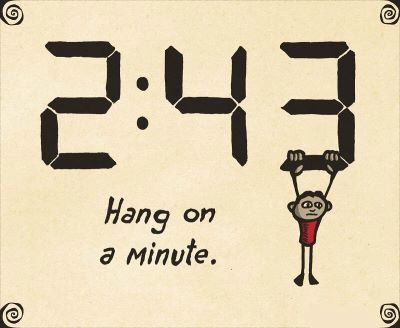
/hæŋ ɑːn/
(phrasal verb) 待つ, しがみつく, しっかりつかむ
例:
Can you hang on a minute? I'll be right with you.
ちょっと待ってもらえますか?すぐに伺います。

/lʊk ˈoʊvər/
(phrasal verb) ざっと見る, 見直す, 見過ごす
例:
Can you look over this report before I submit it?
提出する前にこのレポートをざっと見てもらえますか?

/əˈkaʊnt fɔːr/
(phrasal verb) 説明する, 原因となる, 占める
例:
The bad weather accounted for the delay.
悪天候が遅延の原因だった。

/mes ʌp/
(phrasal verb) 台無しにする, しくじる, 散らかす
例:
I really messed up the presentation.
プレゼンテーションを本当に台無しにした。

/ˈkær.i aʊt/
(phrasal verb) 実行する, 遂行する
例:
The team will carry out the experiment next week.
チームは来週、実験を実行します。

/mɪs aʊt/
(phrasal verb) 逃す, 機会を失う
例:
Don't miss out on this chance to travel the world.
世界を旅するこの機会を逃さないでください。

/ˈkʌt.aʊt/
(noun) 切り抜き, 切り取られた形, 遮断器
例:
The children made paper cut-outs of animals.
子供たちは動物の紙の切り抜きを作った。

/set aʊt/
(phrasal verb) 出発する, 旅に出る, 並べる
例:
They set out early in the morning to avoid traffic.
彼らは交通渋滞を避けるために早朝に出発した。

/fɪl ɪn/
(phrasal verb) 記入する, 埋める, 情報を提供する
例:
Please fill in your name and address on the application form.
申請書に氏名と住所を記入してください。

/liːv bɪˈhaɪnd/
(phrasal verb) 置き忘れる, 残す, 遺す
例:
Don't leave behind your passport when you travel.
旅行するときはパスポートを置き忘れないでください。

/fɪt ɪn/
(phrasal verb) 溶け込む, なじむ, 収まる
例:
It took her a while to fit in with her new classmates.
彼女が新しいクラスメートに溶け込むのに時間がかかった。

/fɔːl əˈpɑːrt/
(phrasal verb) バラバラになる, 壊れる, 精神的に参る
例:
The old book started to fall apart as I turned the pages.
ページをめくると、古い本がバラバラになり始めた。

/ʃʌt ˈʌp/
(exclamation) 黙る, 口を閉じる;
(phrasal verb) 閉鎖する, 廃業する
例:
Just shut up and listen to what I have to say.
黙って私の言うことを聞きなさい。

/fɔːl ɔːf/
(phrasal verb) 落ちる, 低下する, 取れる
例:
Sales tend to fall off during the winter months.
冬の間は売上が落ち込む傾向がある。

/pʊl ʌp/
(phrasal verb) 止まる, 車を寄せる, 引き抜く
例:
The taxi pulled up right in front of the building.
タクシーは建物の真ん前に止まった。

/lʊk aʊt fɔːr/
(phrasal verb) 注意する, 探す, 世話をする
例:
Look out for pickpockets in crowded areas.
混雑した場所ではスリに注意してください。

/send aʊt/
(phrasal verb) 送る, 発送する, 放つ
例:
We need to send out invitations for the party.
パーティーの招待状を送る必要があります。

/ɡet əˈraʊnd/
(phrasal verb) 移動する, 動き回る, 回避する
例:
It's easy to get around the city by public transport.
公共交通機関で市内を移動するのは簡単です。

/rʌn aʊt/
(phrasal verb) 使い果たす, なくなる, 期限が切れる
例:
We've run out of milk, so I need to go to the store.
牛乳がなくなってしまったので、お店に行かないと。