Insieme di vocabolario Ballo Swing e Danza Storica in Arti performative: Lista completa e dettagliata
L'insieme di vocabolario 'Ballo Swing e Danza Storica' in 'Arti performative' è selezionato con cura da fonti di testi standard internazionali, aiutandoti a padroneggiare il vocabolario in breve tempo. Compilazione completa di definizioni, esempi illustrativi e pronuncia standard...
Impara questo insieme di vocabolario su Lingoland
Impara ora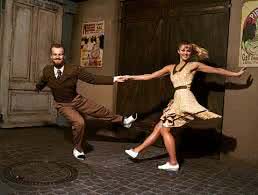
/ˌbʊɡ.iˈwʊɡ.i/
(noun) boogie-woogie
Esempio:
He played a lively boogie-woogie tune on the piano.
Ha suonato un vivace brano boogie-woogie al pianoforte.
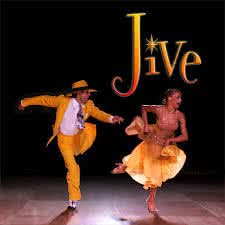
/dʒaɪv/
(noun) jive, ballo jive, fandonia;
(verb) ballare il jive, fare il furbo, dire sciocchezze
Esempio:
They learned to dance the jive at the local club.
Hanno imparato a ballare il jive al club locale.
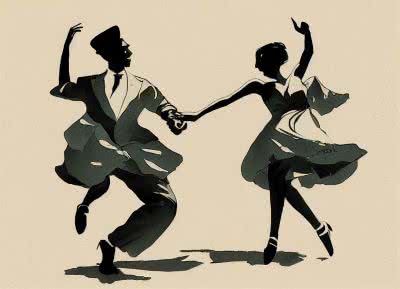
/ˈlɪndi hɑːp/
(noun) Lindy Hop
Esempio:
They learned to dance the Lindy Hop at a swing dance workshop.
Hanno imparato a ballare il Lindy Hop in un workshop di swing dance.
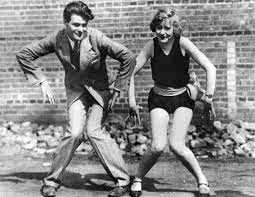
/ˈtʃɑːrl.stən/
(noun) Charleston (ballo), Charleston
Esempio:
She learned to dance the Charleston for the themed party.
Ha imparato a ballare il Charleston per la festa a tema.
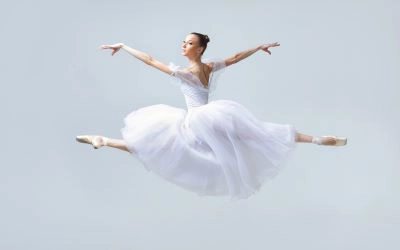
/bælˈeɪ/
(noun) balletto
Esempio:
She has been studying ballet since she was five years old.
Studia balletto da quando aveva cinque anni.
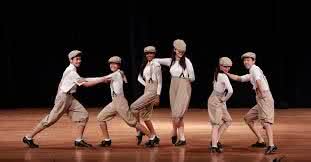
/ˈtæp ˌdæns/
(noun) tip-tap, danza tip-tap;
(verb) ballare il tip-tap
Esempio:
She learned to tap dance at a young age.
Ha imparato a ballare il tip-tap in giovane età.
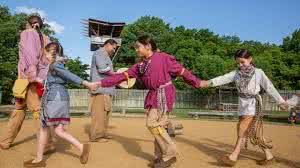
/stɑːmp/
(verb) battere i piedi, calpestare, schiacciare;
(noun) passo pesante, calpestio
Esempio:
He began to stomp his feet in frustration.
Iniziò a battere i piedi per la frustrazione.