Avatar of Vocabulary Set B2 - Lettera A

Insieme di vocabolario B2 - Lettera A in Oxford 3000 - B2: Lista completa e dettagliata

L'insieme di vocabolario 'B2 - Lettera A' in 'Oxford 3000 - B2' è selezionato con cura da fonti di testi standard internazionali, aiutandoti a padroneggiare il vocabolario in breve tempo. Compilazione completa di definizioni, esempi illustrativi e pronuncia standard...

Impara questo insieme di vocabolario su Lingoland

Impara ora

abandon

/əˈbæn.dən/

(verb) abbandonare, lasciare, rinunciare a;

(noun) abbandono, sfrenatezza

Esempio:
We had to abandon the car.
Abbiamo dovuto abbandonare l'auto.

absolute

/ˈæb.sə.luːt/

(adjective) assoluto, totale, incondizionato

Esempio:

She has absolute trust in him.
Ha fiducia assoluta in lui.

academic

/ˌæk.əˈdem.ɪk/

(adjective) accademico, scolastico, teorico;

(noun) accademico, studioso

Esempio:

She has a strong academic background.
Ha un forte background accademico.

acceptable

/əkˈsept.ə.bəl/

(adjective) accettabile, idoneo, tollerabile

Esempio:

The terms of the contract are acceptable.
I termini del contratto sono accettabili.

accompany

/əˈkʌm.pə.ni/

(verb) accompagnare, scortare, essere abbinato a

Esempio:

The children were accompanied by their parents.
I bambini erano accompagnati dai loro genitori.

account

/əˈkaʊnt/

(noun) resoconto, descrizione, racconto;

(verb) considerare, spiegare

Esempio:

She gave a detailed account of her travels.
Ha fornito un resoconto dettagliato dei suoi viaggi.

accurate

/ˈæk.jɚ.ət/

(adjective) accurato, preciso, esatto

Esempio:

The report provides an accurate description of the events.
Il rapporto fornisce una descrizione accurata degli eventi.

accuse

/əˈkjuːz/

(verb) accusare, incriminare, biasimare

Esempio:

He was accused of theft.
È stato accusato di furto.

acknowledge

/əkˈnɑː.lɪdʒ/

(verb) riconoscere, ammettere, salutare

Esempio:

He acknowledged that he was wrong.
Ha riconosciuto di aver sbagliato.

acquire

/əˈkwaɪɚ/

(verb) acquisire, ottenere, imparare

Esempio:

The company decided to acquire a smaller competitor.
L'azienda ha deciso di acquisire un concorrente più piccolo.

actual

/ˈæk.tʃu.əl/

(adjective) effettivo, reale, davvero

Esempio:

The actual cost was much higher than estimated.
Il costo effettivo era molto più alto del previsto.

adapt

/əˈdæpt/

(verb) adattare, modificare, adattarsi

Esempio:

The car has been adapted for use by disabled drivers.
L'auto è stata adattata per l'uso da parte di conducenti disabili.

additional

/əˈdɪʃ.ən.əl/

(adjective) aggiuntivo, ulteriore

Esempio:

We need additional information before we can proceed.
Abbiamo bisogno di informazioni aggiuntive prima di poter procedere.

address

/ˈæd.res/

(noun) indirizzo, discorso, allocuzione;

(verb) rivolgersi a, affrontare, indirizzare

Esempio:
Please write your name and address on the form.
Si prega di scrivere il proprio nome e indirizzo sul modulo.

administration

/ədˌmɪn.əˈstreɪ.ʃən/

(noun) amministrazione, gestione, governo

Esempio:
The efficient administration of the project led to its success.
L'efficiente amministrazione del progetto ha portato al suo successo.

adopt

/əˈdɑːpt/

(verb) adottare, assumere

Esempio:

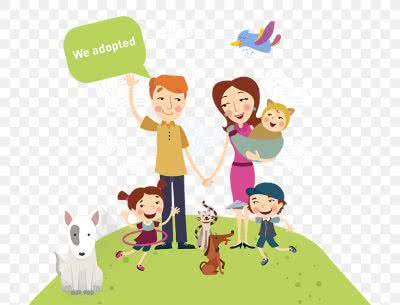
They decided to adopt a child from the orphanage.
Hanno deciso di adottare un bambino dall'orfanotrofio.

advance

/ədˈvæns/

(noun) avanzamento, progresso, anticipo;

(verb) avanzare, progredire, anticipare;

(adjective) anticipato, preliminare

Esempio:

The army made a rapid advance towards the enemy lines.
L'esercito fece un rapido avanzamento verso le linee nemiche.

affair

/əˈfer/

(noun) vicenda, affare, evento

Esempio:

The whole affair was a complete disaster.
L'intera vicenda fu un disastro completo.

afterwards

/ˈæf.tɚ.wɚdz/

(adverb) dopo, in seguito

Esempio:

We went to the cinema and afterwards had dinner.
Siamo andati al cinema e dopo abbiamo cenato.

agency

/ˈeɪ.dʒən.si/

(noun) agenzia, ente, autonomia

Esempio:

She works for a travel agency.
Lavora per un'agenzia di viaggi.

agenda

/əˈdʒen.də/

(noun) ordine del giorno, agenda, programma

Esempio:

The first item on the agenda is the budget proposal.
Il primo punto all'ordine del giorno è la proposta di bilancio.

aggressive

/əˈɡres.ɪv/

(adjective) aggressivo, bellicoso, determinato

Esempio:

The dog became aggressive when a stranger approached.
Il cane è diventato aggressivo quando uno sconosciuto si è avvicinato.

aid

/eɪd/

(noun) aiuto, assistenza, soccorso;

(verb) aiutare, assistere, supportare

Esempio:

The organization provides humanitarian aid to disaster victims.
L'organizzazione fornisce aiuto umanitario alle vittime di disastri.

aircraft

/ˈer.kræft/

(noun) aeromobile, aereo

Esempio:

The aircraft landed safely on the runway.
L'aeromobile è atterrato in sicurezza sulla pista.

alarm

/əˈlɑːrm/

(noun) allarme, sveglia, paura;

(verb) allarmare, spaventare

Esempio:

The fire alarm blared loudly.
L'allarme antincendio suonò forte.

alter

/ˈɑːl.tɚ/

(verb) alterare, modificare, cambiare

Esempio:

The tailor will alter the dress to fit you perfectly.
Il sarto modificerà il vestito per adattarlo perfettamente a te.

amount

/əˈmaʊnt/

(noun) quantità, ammontare;

(verb) ammontare a, equivalere a

Esempio:

A large amount of money was stolen.
Una grande quantità di denaro è stata rubata.

anger

/ˈæŋ.ɡɚ/

(noun) rabbia, collera;

(verb) far arrabbiare, irritare

Esempio:
His face was red with anger.
Il suo viso era rosso di rabbia.

angle

/ˈæŋ.ɡəl/

(noun) angolo, punto di vista;

(verb) angolare, inclinare

Esempio:

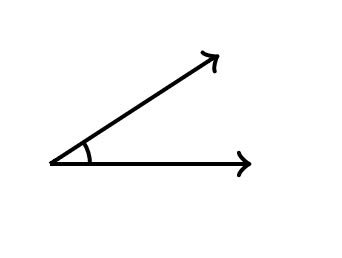
The two roads meet at a sharp angle.
Le due strade si incontrano ad un angolo acuto.

anniversary

/ˌæn.əˈvɝː.sɚ.i/

(noun) anniversario

Esempio:

Today marks the 50th anniversary of the company's founding.
Oggi ricorre il 50° anniversario della fondazione dell'azienda.

annual

/ˈæn.ju.əl/

(adjective) annuale;

(noun) pianta annuale, annuario, pubblicazione annuale

Esempio:

The company holds an annual meeting in December.
L'azienda tiene una riunione annuale a dicembre.

anxious

/ˈæŋk.ʃəs/

(adjective) ansioso, preoccupato, desideroso

Esempio:
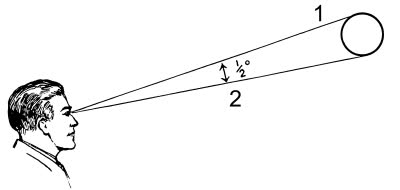
She was anxious about her exam results.
Era ansiosa per i risultati dell'esame.

apparent

/əˈper.ənt/

(adjective) apparente, evidente, chiaro

Esempio:

It was apparent that she was tired.
Era evidente che fosse stanca.

apparently

/əˈper.ənt.li/

(adverb) a quanto pare, apparentemente, in apparenza

Esempio:

Apparently, it's going to rain tomorrow.
A quanto pare, domani pioverà.

appeal

/əˈpiːl/

(verb) fare appello, appello, attirare;

(noun) appello, richiesta, fascino

Esempio:
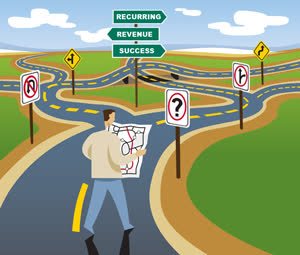
Police are appealing for witnesses to the accident.
La polizia sta facendo appello ai testimoni dell'incidente.

approach

/əˈproʊtʃ/

(verb) avvicinarsi, approssimarsi, avvicinare;

(noun) approccio, metodo, avvicinamento

Esempio:

As we approach the city, the traffic gets heavier.
Man mano che ci avviciniamo alla città, il traffico diventa più intenso.

appropriate

/əˈproʊ.pri.ət/

(adjective) appropriato, adatto;

(verb) appropriarsi, destinare, assegnare

Esempio:

Please wear appropriate attire for the ceremony.
Si prega di indossare un abbigliamento appropriato per la cerimonia.

approval

/əˈpruː.vəl/

(noun) approvazione, consenso, permesso

Esempio:

The project received official approval from the committee.
Il progetto ha ricevuto l'approvazione ufficiale dal comitato.

approve

/əˈpruːv/

(verb) approvare, avallare, condividere

Esempio:

The committee voted to approve the new budget.
Il comitato ha votato per approvare il nuovo bilancio.

arise

/əˈraɪz/

(verb) sorgere, emergere, alzarsi

Esempio:

New problems arose during the construction.
Nuovi problemi sorsero durante la costruzione.

armed

/ɑːrmd/

(adjective) armato, con braccioli, con braccia;

(verb) armare

Esempio:
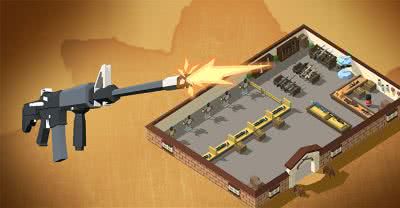
The police officer was heavily armed.
L'agente di polizia era pesantemente armato.

arms

/ɑːrmz/

(plural noun) braccia, armi, armamenti;

(verb) armare

Esempio:

She held the baby in her arms.
Ha tenuto il bambino tra le braccia.

artificial

/ˌɑːr.t̬əˈfɪʃ.əl/

(adjective) artificiale, affettato

Esempio:

The flowers were beautiful, but they were artificial.
I fiori erano bellissimi, ma erano artificiali.

artistic

/ɑːrˈtɪs.tɪk/

(adjective) artistico, creativo, dell'arte

Esempio:

She has a very artistic eye for design.
Ha un occhio molto artistico per il design.

ashamed

/əˈʃeɪmd/

(adjective) vergognoso, imbarazzato

Esempio:

She felt deeply ashamed of her behavior at the party.
Si sentiva profondamente vergognata del suo comportamento alla festa.

aspect

/ˈæs.pekt/

(noun) aspetto, lato, punto di vista

Esempio:

The most important aspect of the job is communication.
L'aspetto più importante del lavoro è la comunicazione.

assess

/əˈses/

(verb) valutare, stimare, stabilire

Esempio:

The committee will assess the damage caused by the storm.
Il comitato valuterà i danni causati dalla tempesta.

assessment

/əˈses.mənt/

(noun) valutazione, stima, accertamento

Esempio:

The teacher conducted an assessment of the students' progress.
L'insegnante ha condotto una valutazione dei progressi degli studenti.

associate

/əˈsoʊ.ʃi.eɪt/

(verb) associare, collegare, associarsi;

(noun) socio, collaboratore;

(adjective) associato, assistente

Esempio:

Most people associate the name 'Coca-Cola' with a popular soft drink.
La maggior parte delle persone associa il nome 'Coca-Cola' a una bevanda analcolica popolare.

associated

/əˈsoʊ.si.eɪ.t̬ɪd/

(adjective) associato, collegato;

(verb) associare, frequentare

Esempio:

The risks associated with smoking are well-known.
I rischi associati al fumo sono ben noti.

association

/əˌsoʊ.siˈeɪ.ʃən/

(noun) associazione, società, lega

Esempio:
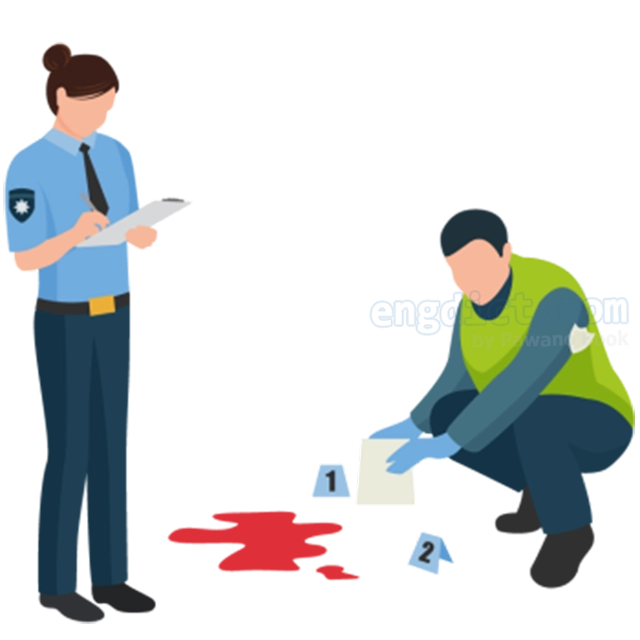
The local residents' association meets monthly.
L'associazione dei residenti locali si riunisce mensilmente.

assume

/əˈsuːm/

(verb) presumere, supporre, assumere

Esempio:

I assume you're coming to the party.
Presumo che tu venga alla festa.

attempt

/əˈtempt/

(noun) tentativo, prova;

(verb) tentare, provare

Esempio:

He made an attempt to climb the mountain.
Ha fatto un tentativo di scalare la montagna.
Impara questo insieme di vocabolario su Lingoland