Avatar of Vocabulary Set A1 - Lettera F

Insieme di vocabolario A1 - Lettera F in Oxford 3000 - A1: Lista completa e dettagliata

L'insieme di vocabolario 'A1 - Lettera F' in 'Oxford 3000 - A1' è selezionato con cura da fonti di testi standard internazionali, aiutandoti a padroneggiare il vocabolario in breve tempo. Compilazione completa di definizioni, esempi illustrativi e pronuncia standard...

Impara questo insieme di vocabolario su Lingoland

Impara ora

face

/feɪs/

(noun) viso, faccia, quadrante;

(verb) affrontare, fronteggiare, essere rivolto

Esempio:

She washed her face with cold water.
Si lavò il viso con acqua fredda.

fact

/fækt/

(noun) fatto, realtà, informazioni

Esempio:
It's a well-known fact that the Earth revolves around the Sun.
È un fatto ben noto che la Terra gira intorno al Sole.

fall

/fɑːl/

(verb) cadere, diminuire, scendere;

(noun) caduta, crollo, autunno

Esempio:
The apple fell from the tree.
La mela è caduta dall'albero.

false

/fɑːls/

(adjective) falso, errato, non vero;

(adverb) falsamente, erroneamente

Esempio:
That statement is completely false.
Quella dichiarazione è completamente falsa.

family

/ˈfæm.əl.i/

(noun) famiglia, stirpe, lignaggio;

(adjective) familiare

Esempio:

My family is coming to visit next week.
La mia famiglia verrà a trovarci la prossima settimana.

famous

/ˈfeɪ.məs/

(adjective) famoso, celebre

Esempio:

She is a famous singer.
È una cantante famosa.

fantastic

/fænˈtæs.tɪk/

(adjective) fantastico, magnifico, immaginario

Esempio:
The view from the mountain was fantastic.
La vista dalla montagna era fantastica.

far

/fɑːr/

(adverb) lontano, molto, troppo;

(adjective) lontano

Esempio:
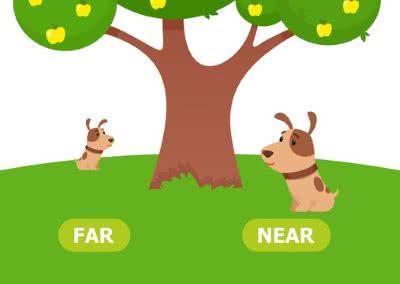
How far is it to the nearest gas station?
Quanto è lontano dalla stazione di servizio più vicina?

farm

/fɑːrm/

(noun) fattoria, azienda agricola;

(verb) coltivare, allevare

Esempio:
My grandparents live on a large farm in the countryside.
I miei nonni vivono in una grande fattoria in campagna.

farmer

/ˈfɑːr.mɚ/

(noun) contadino, agricoltore

Esempio:
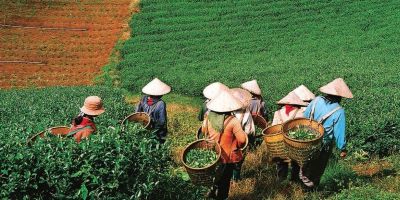
The farmer harvested his crops early this year.
Il contadino ha raccolto i suoi raccolti in anticipo quest'anno.

fast

/fæst/

(adjective) veloce, rapido, celere;

(adverb) velocemente, saldamente, fermamente;

(verb) digiunare;

(noun) digiuno

Esempio:
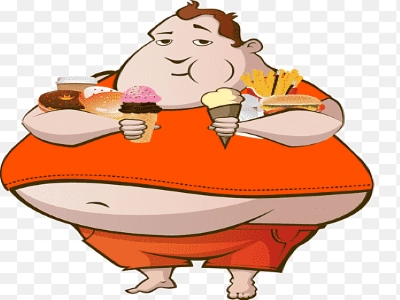
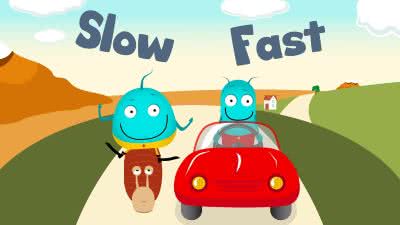
A cheetah is a very fast runner.
Un ghepardo è un corridore molto veloce.

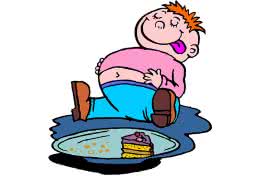
fat

/fæt/

(noun) grasso;

(adjective) grasso, grosso, spesso

Esempio:

The chef trimmed the excess fat from the meat.
Lo chef ha rimosso il grasso in eccesso dalla carne.

father

/ˈfɑː.ðɚ/

(noun) padre, papà, sacerdote;

(verb) generare, essere padre di, fondare

Esempio:
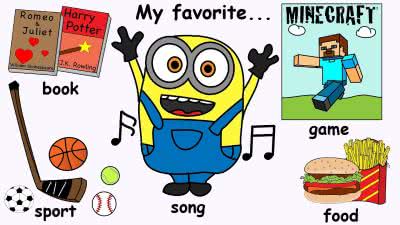
My father taught me how to ride a bike.
Mio padre mi ha insegnato ad andare in bicicletta.

favorite

/ˈfeɪ.vər.ət/

(adjective) preferito, favorito;

(noun) preferito, favorito

Esempio:

What's your favorite color?
Qual è il tuo colore preferito?

February

/ˈfeb.ruː.er.i/

(noun) febbraio

Esempio:

My birthday is in February.
Il mio compleanno è a febbraio.

feel

/fiːl/

(verb) sentire, provare, toccare;

(noun) sensazione, tatto, fiuto

Esempio:
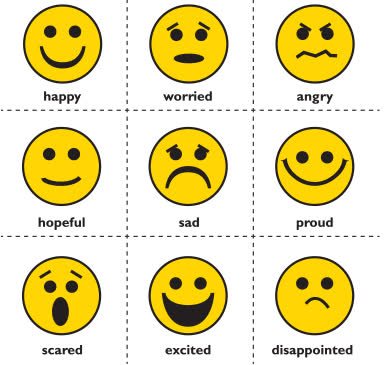
I feel happy today.
Mi sento felice oggi.

feeling

/ˈfiː.lɪŋ/

(noun) sensazione, sentimento, sensibilità

Esempio:
She had a strange feeling that something was wrong.
Aveva una strana sensazione che qualcosa non andasse.

festival

/ˈfes.tə.vəl/

(noun) festival, festa

Esempio:

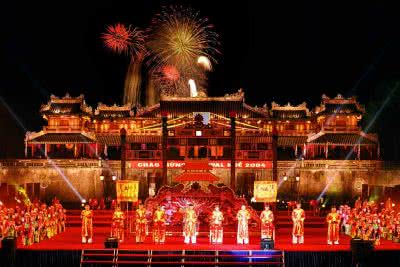
The town celebrates a summer festival every year.
La città celebra un festival estivo ogni anno.

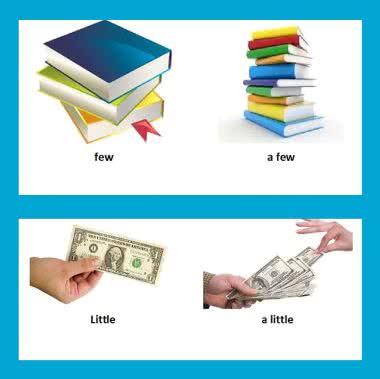
few

/fjuː/

(determiner) pochi, alcuni;

(pronoun) pochi, alcuni;

(adjective) pochi, non molti

Esempio:

I have a few friends coming over tonight.
Ho pochi amici che vengono stasera.

fifteen

/ˌfɪfˈtiːn/

(number) quindici;

(noun) quindici, il numero 15

Esempio:

There are fifteen students in the class.
Ci sono quindici studenti nella classe.

fifth

/fɪfθ/

(ordinal number) quinto;

(noun) quinto, un quinto

Esempio:

She finished fifth in the race.
È arrivata quinta nella gara.

fifty

/ˈfɪf.ti/

(number) cinquanta;

(noun) cinquanta, banconota da cinquanta

Esempio:
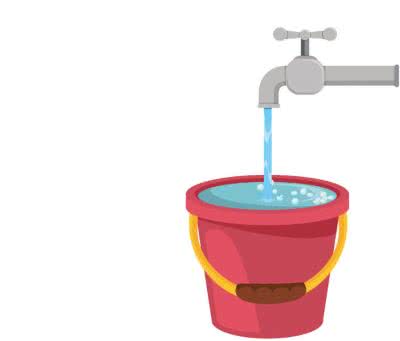
She is fifty years old.
Ha cinquant'anni.

fill

/fɪl/

(verb) riempire, colmare, coprire;

(noun) riempimento, quantità

Esempio:

Please fill the bottle with water.
Per favore, riempi la bottiglia d'acqua.

film

/fɪlm/

(noun) film, pellicola, strato;

(verb) filmare, girare

Esempio:

We watched a horror film last night.
Abbiamo guardato un film horror la scorsa notte.

final

/ˈfaɪ.nəl/

(adjective) finale, ultimo, definitivo;

(noun) finale, esame finale

Esempio:

This is the final warning.
Questo è l'avvertimento finale.

find

/faɪnd/

(verb) trovare, scoprire, ritenere;

(noun) ritrovamento, scoperta

Esempio:

I need to find my keys.
Devo trovare le mie chiavi.

fine

/faɪn/

(adjective) ottimo, bello, eccellente;

(noun) multa, ammenda;

(verb) multare, sanzionare;

(adverb) bene, in modo soddisfacente

Esempio:

This is a fine example of ancient pottery.
Questo è un ottimo esempio di ceramica antica.

finish

/ˈfɪn.ɪʃ/

(noun) fine, conclusione, finitura;

(verb) finire, completare, concludere

Esempio:

We reached the finish line after a long race.
Abbiamo raggiunto il traguardo dopo una lunga gara.

fire

/faɪr/

(noun) fuoco, incendio, sparo;

(verb) sparare, fare fuoco, licenziare

Esempio:

The house caught fire and burned down.
La casa ha preso fuoco ed è bruciata.

first

/ˈfɝːst/

(adjective) primo, prima;

(adverb) per primo, prima;

(noun) il primo, la prima

Esempio:
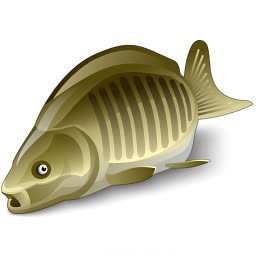
She was the first person to arrive.
È stata la prima persona ad arrivare.

fish

/fɪʃ/

(noun) pesce;

(verb) pescare, cercare, indagare

Esempio:

We caught a big fish in the lake.
Abbiamo pescato un grosso pesce nel lago.

five

/faɪv/

(number) cinque;

(noun) cinque, gruppo di cinque

Esempio:
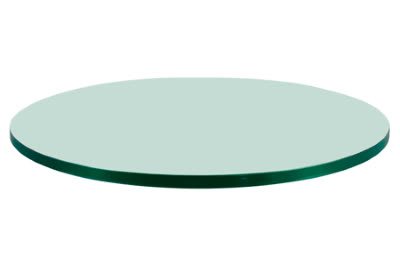
She counted five apples in the basket.
Ha contato cinque mele nel cesto.

flat

/flæt/

(adjective) piatto, liscio, sottile;

(noun) appartamento;

(adverb) piatto, orizzontalmente

Esempio:
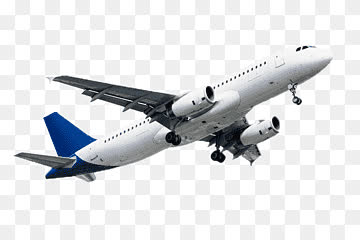
The road was long and flat.
La strada era lunga e piatta.

flight

/flaɪt/

(noun) volo, stormo, formazione

Esempio:

The bird took flight from the branch.
L'uccello prese il volo dal ramo.

floor

/flɔːr/

(noun) pavimento, piano;

(verb) mettere al tappeto, sconvolgere

Esempio:
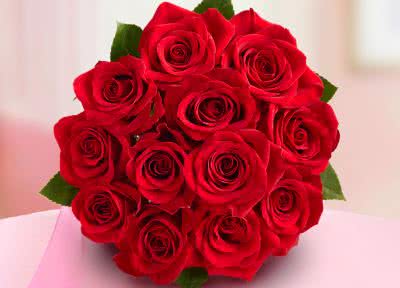
The wooden floor creaked as he walked across it.
Il pavimento di legno scricchiolava mentre ci camminava sopra.

flower

/ˈflaʊ.ɚ/

(noun) fiore;

(verb) fiorire

Esempio:
The garden is full of beautiful flowers.
Il giardino è pieno di bellissimi fiori.

fly

/flaɪ/

(verb) volare, sfrecciare, passare velocemente;

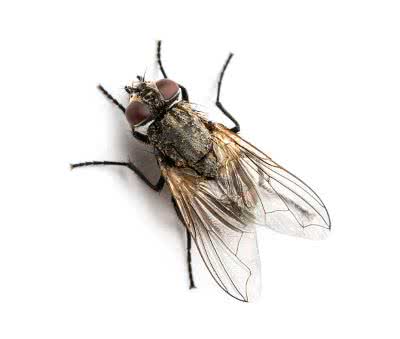
(noun) mosca, patta

Esempio:

Birds fly south for the winter.
Gli uccelli volano a sud per l'inverno.

follow

/ˈfɑː.loʊ/

(verb) seguire, rispettare, capire;

(noun) seguito, interesse

Esempio:
The dog followed its owner everywhere.
Il cane seguiva il suo padrone ovunque.

food

/fuːd/

(noun) cibo, alimento

Esempio:

We need to buy some food for dinner.
Dobbiamo comprare del cibo per cena.

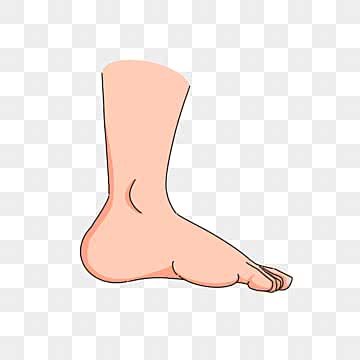
foot

/fʊt/

(noun) piede, unità di misura, base;

(verb) camminare, andare a piedi, pagare

Esempio:
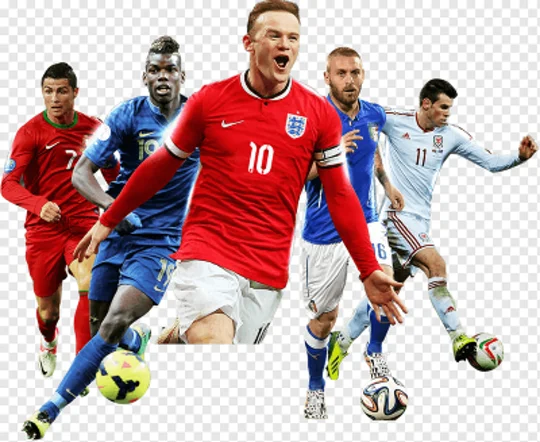
He hurt his foot playing soccer.
Si è fatto male al piede giocando a calcio.

football

/ˈfʊt.bɑːl/

(noun) calcio, pallone da football americano, pallone da rugby

Esempio:
He loves watching football on Sundays.
Ama guardare il calcio la domenica.

for

/fɔːr/

(preposition) per;

(conjunction) per, a causa di

Esempio:

This gift is for you.
Questo regalo è per te.

forget

/fɚˈɡet/

(verb) dimenticare, trascurare, ignorare

Esempio:

I always forget people's names.
Mi dimentico sempre i nomi delle persone.

form

/fɔːrm/

(noun) forma, tipo, modulo;

(verb) formare, modellare, formarsi

Esempio:

Water can exist in solid, liquid, or gaseous form.
L'acqua può esistere in forma solida, liquida o gassosa.

forty

/ˈfɔːr.t̬i/

(number) quaranta

Esempio:

She turned forty last month.
Ha compiuto quaranta anni il mese scorso.

four

/fɔːr/

(number) quattro

Esempio:

There are four seasons in a year.
Ci sono quattro stagioni in un anno.

fourteen

/ˌfɔːrˈtiːn/

(number) quattordici

Esempio:

There are fourteen days in two weeks.
Ci sono quattordici giorni in due settimane.

fourth

/fɔːrθ/

(ordinal number) quarto;

(noun) quarto

Esempio:

He finished fourth in the race.
È arrivato quarto nella gara.

free

/friː/

(adjective) libero, indipendente, gratuito;

(verb) liberare, rilasciare;

(adverb) gratuitamente, gratis

Esempio:
She felt free after leaving her old job.
Si sentiva libera dopo aver lasciato il suo vecchio lavoro.

friday

/ˈfraɪ.deɪ/

(noun) venerdì

Esempio:

I'm looking forward to Friday.
Non vedo l'ora che sia venerdì.

friend

/frend/

(noun) amico, amica, sostenitore;

(verb) aggiungere come amico, fare amicizia con

Esempio:
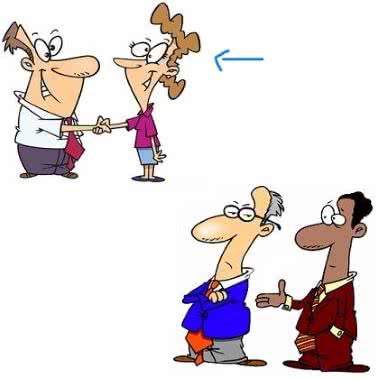
She introduced me to her best friend.
Mi ha presentato al suo migliore amico.

friendly

/ˈfrend.li/

(adjective) amichevole, cordiale, ecologico

Esempio:

She has a very friendly smile.
Ha un sorriso molto amichevole.

from

/frʌm/

(preposition) da, di

Esempio:

He walked from the house to the car.
Ha camminato dalla casa all'auto.

front

/frʌnt/

(noun) fronte, parte anteriore, fronte (meteorologia);

(adjective) anteriore, frontale;

(verb) affacciarsi su, dare su;

(adverb) davanti

Esempio:
The car was damaged at the front.
L'auto è stata danneggiata nella parte anteriore.

fruit

/fruːt/

(noun) frutta, frutto, risultato;

(verb) fruttificare, produrre frutti

Esempio:
Apples and oranges are common types of fruit.
Mele e arance sono tipi comuni di frutta.

full

/fʊl/

(adjective) pieno, completo, totale;

(adverb) in pieno, proprio

Esempio:

The basket is full of apples.
Il cesto è pieno di mele.

fun

/fʌn/

(noun) divertimento, spasso, piacere;

(adjective) divertente, spassoso, piacevole

Esempio:

We had a lot of fun at the party.
Ci siamo divertiti molto al festa.

funny

/ˈfʌn.i/

(adjective) divertente, buffo, strano

Esempio:

He told a really funny joke.
Ha raccontato una barzelletta davvero divertente.

future

/ˈfjuː.tʃɚ/

(noun) futuro, prospettive;

(adjective) futuro

Esempio:

We need to plan for the future.
Dobbiamo pianificare il futuro.
Impara questo insieme di vocabolario su Lingoland