
Avatar of Vocabulary Set B2 - Non Reprimere i Tuoi Sentimenti!

Insieme di vocabolario B2 - Non Reprimere i Tuoi Sentimenti! in Livello B2: Lista completa e dettagliata

L'insieme di vocabolario 'B2 - Non Reprimere i Tuoi Sentimenti!' in 'Livello B2' è selezionato con cura da fonti di testi standard internazionali, aiutandoti a padroneggiare il vocabolario in breve tempo. Compilazione completa di definizioni, esempi illustrativi e pronuncia standard...

Impara questo insieme di vocabolario su Lingoland

Impara ora

aggressive

/əˈɡres.ɪv/

(adjective) aggressivo, bellicoso, determinato

Esempio:

The dog became aggressive when a stranger approached.
Il cane è diventato aggressivo quando uno sconosciuto si è avvicinato.

astonished

/əˈstɑː.nɪʃt/

(adjective) sbalordito, stupito

Esempio:

She was astonished by the beauty of the Grand Canyon.
Era sbalordita dalla bellezza del Grand Canyon.

awkward

/ˈɑː.kwɚd/

(adjective) imbarazzante, scomodo, difficile

Esempio:

It was an awkward moment when they realized they had both worn the same dress.
Fu un momento imbarazzante quando si resero conto di aver indossato lo stesso vestito.

bitter

/ˈbɪt̬.ɚ/

(adjective) amaro, risentito, difficile

Esempio:

The coffee was very bitter without sugar.
Il caffè era molto amaro senza zucchero.

breathtaking

/ˈbreθˌteɪ.kɪŋ/

(adjective) mozzafiato, sbalorditivo

Esempio:

The view from the mountain top was absolutely breathtaking.
La vista dalla cima della montagna era assolutamente mozzafiato.

cheerless

/ˈtʃɪr.ləs/

(adjective) triste, tetro, desolato

Esempio:

The old house had a cheerless atmosphere.
La vecchia casa aveva un'atmosfera triste.

delighted

/dɪˈlaɪ.t̬ɪd/

(adjective) felice, lieto

Esempio:

She was delighted with her new car.
Era felice della sua nuova auto.

depressing

/dɪˈpres.ɪŋ/

(adjective) deprimente, scoraggiante

Esempio:

The news was incredibly depressing.
La notizia era incredibilmente deprimente.

disgusting

/dɪsˈɡʌs.tɪŋ/

(adjective) disgustoso, ripugnante

Esempio:

The smell from the garbage was absolutely disgusting.
L'odore della spazzatura era assolutamente disgustoso.

down

/daʊn/

(preposition) giù, in basso, lungo;

(adverb) giù, in basso, depresso;

(adjective) giù, verso il basso, depresso;

(noun) piumino, lanugine;

(verb) abbattere, far cadere

Esempio:

The ball rolled down the hill.
La palla rotolò giù per la collina.

dreadful

/ˈdred.fəl/

(adjective) terribile, orribile, spaventoso

Esempio:

The news of the accident was dreadful.
La notizia dell'incidente è stata terribile.

dull

/dʌl/

(adjective) noioso, insipido, smussato;

(verb) ottundere, smorzare

Esempio:

The lecture was incredibly dull.
La lezione era incredibilmente noiosa.

emotional

/ɪˈmoʊ.ʃən.əl/

(adjective) emotivo, commovente

Esempio:

She's going through a difficult emotional period.
Sta attraversando un periodo emotivo difficile.

empty

/ˈemp.ti/

(adjective) vuoto, privo di significato;

(verb) svuotare

Esempio:

The box was completely empty.
La scatola era completamente vuota.

excited

/ɪkˈsaɪ.t̬ɪd/

(adjective) eccitato, entusiasta

Esempio:

The children were very excited about their trip to the zoo.
I bambini erano molto eccitati per il loro viaggio allo zoo.

fascinated

/ˈfæs.ən.eɪ.tɪd/

(adjective) affascinato, incantato

Esempio:

She was fascinated by the ancient ruins.
Era affascinata dalle antiche rovine.

exhausting

/ɪɡˈzɑː.stɪŋ/

(adjective) estenuante, sfibrante

Esempio:

The long hike was incredibly exhausting.
La lunga escursione è stata incredibilmente estenuante.

fearful

/ˈfɪr.fəl/

(adjective) timoroso, spaventato, terribile

Esempio:

She was fearful of walking alone at night.
Era timorosa di camminare da sola di notte.

fed up

/ˌfed ˈʌp/

(adjective) stufo, stanco

Esempio:

I'm fed up with this constant rain.
Sono stufo di questa pioggia costante.

furious

/ˈfʊr.i.əs/

(adjective) furioso, arrabbiato, infuriato

Esempio:
She was absolutely furious when she found out he had lied to her.
Era assolutamente furiosa quando scoprì che lui le aveva mentito.

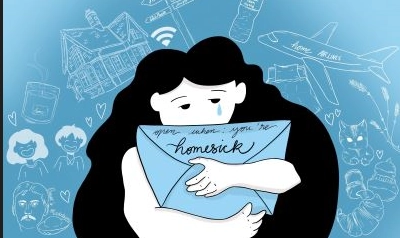
homesick

/ˈhoʊm.sɪk/

(adjective) nostalgico, che ha nostalgia di casa

Esempio:

After a month abroad, she started feeling really homesick.
Dopo un mese all'estero, ha iniziato a sentirsi davvero nostalgica.

irritated

/ˈɪr.ə.teɪ.t̬ɪd/

(adjective) irritato, infastidito;

(past participle) irritato, infastidito

Esempio:

She was irritated by his constant interruptions.
Era irritata dalle sue continue interruzioni.

satisfied

/ˈsæt̬.ɪs.faɪd/

(adjective) soddisfatto, contento

Esempio:

She felt satisfied with her performance.
Si sentiva soddisfatta della sua performance.

terrifying

/ˈter.ə.faɪ.ɪŋ/

(adjective) terrificante, spaventoso

Esempio:

The roller coaster ride was absolutely terrifying.
Il giro sulle montagne russe è stato assolutamente terrificante.

uncomfortable

/ʌnˈkʌm.fɚ.t̬ə/

(adjective) scomodo, disagevole, imbarazzante

Esempio:

This chair is very uncomfortable.
Questa sedia è molto scomoda.

amaze

/əˈmeɪz/

(verb) stupire, meravigliare, sbalordire

Esempio:

The magician's trick truly amazed the audience.
Il trucco del mago ha davvero stupito il pubblico.

regret

/rɪˈɡret/

(verb) pentirsi, rimpiangere, dispiacersi;

(noun) rammarico, rimpianto

Esempio:

She immediately regretted her decision.
Si pentì immediatamente della sua decisione.

embarrassment

/ɪmˈber.əs.mənt/

(noun) imbarazzo, vergogna, disagio

Esempio:

She felt a blush of embarrassment creep up her neck when she tripped.
Sentì un rossore di imbarazzo salirle al collo quando inciampò.

enthusiasm

/ɪnˈθuː.zi.æz.əm/

(noun) entusiasmo, fervore

Esempio:

She showed great enthusiasm for her new project.
Ha mostrato grande entusiasmo per il suo nuovo progetto.

panic

/ˈpæn.ɪk/

(noun) panico;

(verb) farsi prendere dal panico, andare nel panico

Esempio:

The crowd was in a state of panic after the explosion.
La folla era in stato di panico dopo l'esplosione.

pity

/ˈpɪt̬.i/

(noun) pietà, peccato;

(verb) compatire, avere pietà di

Esempio:

She felt a deep pity for the homeless man.
Provava una profonda pietà per l'uomo senzatetto.

relief

/rɪˈliːf/

(noun) sollievo, aiuto, sostituzione

Esempio:

It was a great relief to know that everyone was safe.
È stato un grande sollievo sapere che tutti erano al sicuro.

shock

/ʃɑːk/

(noun) shock, sorpresa, scossa elettrica;

(verb) scioccare, sconvolgere

Esempio:
The news of his death came as a complete shock.
La notizia della sua morte è stata un completo shock.

stress

/stres/

(noun) stress, tensione, accento;

(verb) sottolineare, enfatizzare, stressare

Esempio:

She's been under a lot of stress lately.
È stata sotto molto stress ultimamente.

terror

/ˈter.ɚ/

(noun) terrore, paura estrema, terrorismo

Esempio:

The sound of the explosion filled them with terror.
Il suono dell'esplosione li riempì di terrore.

thrill

/θrɪl/

(noun) brivido, emozione, eccitazione;

(verb) entusiasmare, emozionare, far fremere

Esempio:

The roller coaster gave me a real thrill.
Le montagne russe mi hanno dato un vero brivido.

conflict

/ˈkɑːn.flɪkt/

(noun) conflitto, disaccordo, lite;

(verb) essere in conflitto, scontrarsi, contrastare

Esempio:

There was a lot of conflict between the two brothers.
C'era molto conflitto tra i due fratelli.

wonder

/ˈwʌn.dɚ/

(noun) meraviglia, stupore, fenomeno;

(verb) chiedersi, domandarsi, meravigliarsi

Esempio:

The Grand Canyon filled them with wonder.
Il Grand Canyon li riempì di meraviglia.

worry

/ˈwɝː.i/

(verb) preoccuparsi, preoccupare, infastidire;

(noun) preoccupazione, ansia

Esempio:

Don't worry about a thing; everything will be fine.
Non ti preoccupare di niente; andrà tutto bene.

rage

/reɪdʒ/

(noun) rabbia, furia, ira;

(verb) infuriarsi, imperversare, sfogarsi

Esempio:

He flew into a rage when he heard the news.
È andato su tutte le furie quando ha sentito la notizia.
Impara questo insieme di vocabolario su Lingoland