
Digital Marketing Vocabulary Set in Marketing: Full and Detailed List
The 'Digital Marketing' vocabulary set in 'Marketing' is carefully selected from standard international textbook sources, helping you master vocabulary in a short time. Comprehensive compilation of definitions, illustrative examples, and standard pronunciation...
Learn this vocabulary set on Lingoland
Learn Now
/ˈbɪɡ ˌdeɪ.tə/
Example:
Companies are using big data to understand customer behavior.

/ˈbaʊns reɪt/
Example:
A high bounce rate can indicate that your website content is not engaging enough.

/kɔːl tə ˈæk.ʃən/
Example:
The website's prominent 'Buy Now' button serves as a clear call to action.

/ˈtʃæt.bɑːt/
Example:
Many companies use chatbots to handle customer service inquiries.

/kəmˌpet.ə.tɪv əˈnæl.ə.sɪs/
Example:
Our marketing team conducted a thorough competitive analysis before launching the new product.
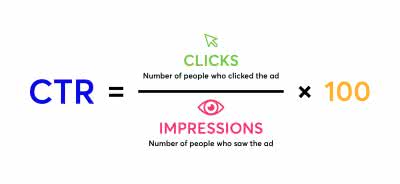
/kənˈvɜːrʒən reɪt/
Example:
Our marketing team is focused on improving the website's conversion rate.

/ˈkʌstəmər əˌkwɪˈzɪʃən/
Example:
Our marketing team is focused on improving customer acquisition.

/ˈiːmeɪl blæst/
Example:
We sent out an email blast to all our subscribers about the new product launch.

/ɪmˈpreʃ.ən/
Example:
My first impression of him was that he was very kind.
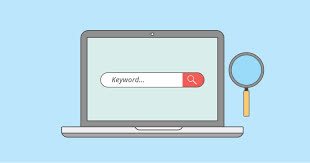
/ˈkiː.wɝːd/
Example:
Use relevant keywords to improve your search results.
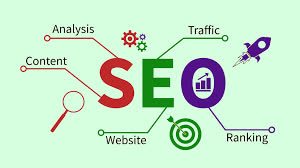
/sɜːrtʃ ˈɛndʒɪn ˌɑːptɪmaɪˈzeɪʃən/
Example:
Our company invested heavily in search engine optimization to improve our online visibility.
/ˌsoʊ.ʃəl ˈmiː.di.ə/
Example:
Many people get their news from social media platforms now.