
Astronomy Vocabulary Set in Level C2: Full and Detailed List
The 'Astronomy' vocabulary set in 'Level C2' is carefully selected from standard international textbook sources, helping you master vocabulary in a short time. Comprehensive compilation of definitions, illustrative examples, and standard pronunciation...
Learn this vocabulary set on Lingoland
Learn Now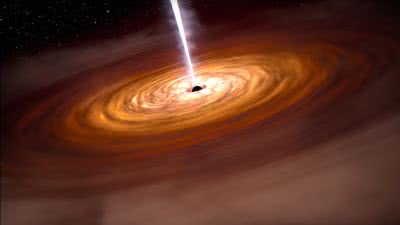
/ˈkweɪ.zɑːr/
Example:
Astronomers discovered a new quasar at the edge of the observable universe.

/kəˈroʊ.nə/
Example:
During the total solar eclipse, the sun's corona became visible.
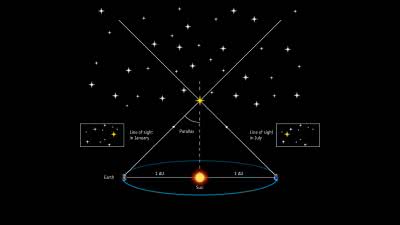
/ˈper.ə.læks/
Example:
Astronomers use parallax to measure the distance to nearby stars.
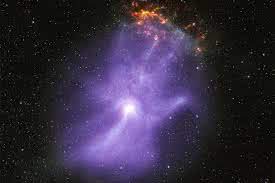
/ˈpʌl.sɑːr/
Example:
Astronomers discovered a new pulsar in the distant galaxy.
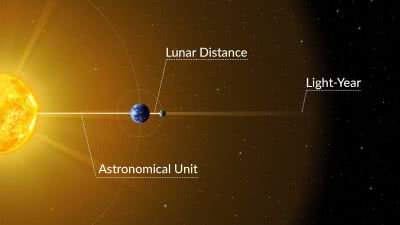
/ˌæs.trəˈnɑː.mɪ.kəl ˈjuː.nɪt/
Example:
Mars is about 1.5 astronomical units from the Sun.
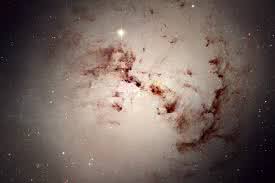
/ˈkɑz.mɪk dʌst/
Example:
The telescope captured images of distant galaxies shrouded in cosmic dust.
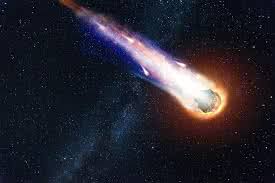
/ˈmiː.t̬i.ə.rɔɪd/
Example:
A tiny meteoroid streaked across the night sky.

/ɪnˈfleɪ.ʃən/
Example:
The country is experiencing high inflation.
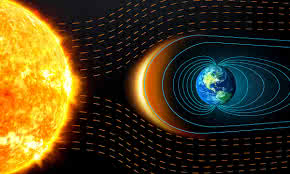
/mæɡˈnet.ɪk stɔːrm/
Example:
A strong magnetic storm can disrupt satellite communications.
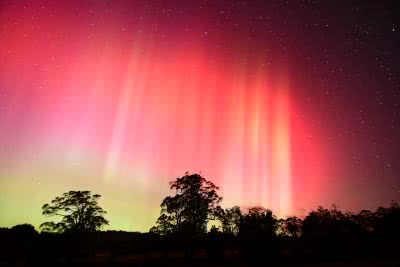
/ɔːˈrɔːrə ɔːˈstreɪlɪs/
Example:
The ship's crew witnessed a spectacular aurora australis over the Antarctic horizon.
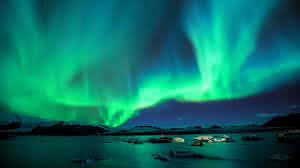
/ɔːˌrɔːr.ə bɔːr.iˈæl.ɪs/
Example:
We traveled to Alaska hoping to see the magnificent aurora borealis.
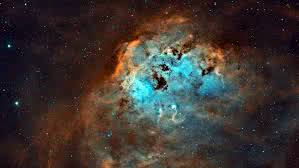
/ˈneb.jə.lɚ/
Example:
The telescope captured stunning images of the nebular clouds.
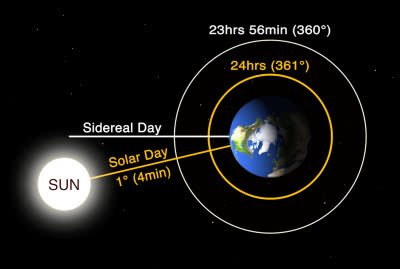
/saɪˈdɪr.i.əl/
Example:
Astronomers use sidereal time to track celestial objects.