Avatar of Vocabulary Set 语言 2

词汇集 语言 2(属于 语言):完整且详细的清单

词汇集「语言 2」(属于「语言」)从国际标准教材来源精心挑选,帮助您在短时间内掌握词汇。全面汇整定义、例句及标准发音…

在 Lingoland 学习此词汇集

立即学习
malay

/məˈleɪ/

(noun) 马来人, 马来语;

(adjective) 马来, 马来语的

示例:

The Malay people have a rich cultural heritage.
马来人民拥有丰富的文化遗产。

malayalam

/mæl.əˈjɑː.ləm/

(noun) 马拉雅拉姆语;

(adjective) 马拉雅拉姆的

示例:
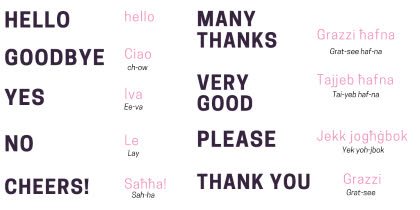
She is learning to speak Malayalam.
她正在学习说马拉雅拉姆语

maltese

/ˌmɑːlˈtiːz/

(noun) 马耳他人, 马耳他居民, 马耳他语;

(adjective) 马耳他的, 马耳他语的

示例:

The Maltese are known for their hospitality.
马耳他人以热情好客而闻名。

Māori

/ˈmɑːri/

(noun) 毛利人, 毛利语;

(adjective) 毛利的

示例:

The Māori are the indigenous people of New Zealand.
毛利人是新西兰的土著居民。

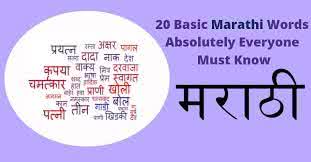
marathi

/məˈrɑːti/

(noun) 马拉地语;

(adjective) 马拉地的

示例:

She is learning Marathi to communicate with her grandparents.
她正在学习马拉地语,以便与祖父母交流。

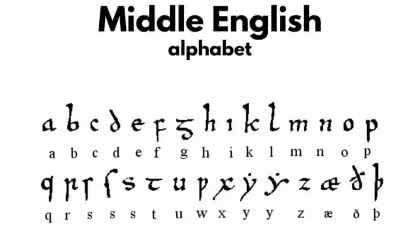
Middle English

/ˌmɪd.əl ˈɪŋ.ɡlɪʃ/

(noun) 中古英语

示例:

Chaucer's works are written in Middle English.
乔叟的作品是用中古英语写的。

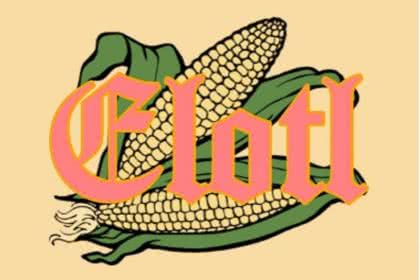
nahuatl

/ˈnɑː.wɑː.t̬əl/

(noun) 纳瓦特尔人, 纳瓦特尔族, 纳瓦特尔语;

(adjective) 纳瓦特尔的

示例:
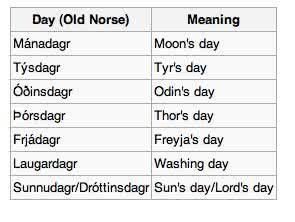
The ancient Nahuatl people developed a complex writing system.
古代纳瓦特尔人发展了一种复杂的书写系统。

norse

/nɔːrs/

(adjective) 北欧的, 古斯堪的纳维亚的;

(noun) 诺尔斯语, 古诺尔斯语

示例:
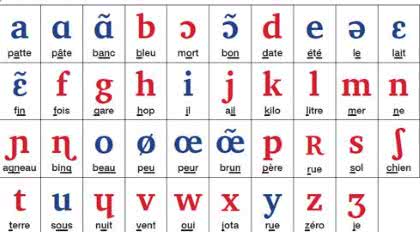
Many myths and legends come from Norse mythology.
许多神话和传说来自北欧神话。

occitan

/ˈɑːksɪtən/

(noun) 奥克语;

(adjective) 奥克语的, 奥克地区的

示例:
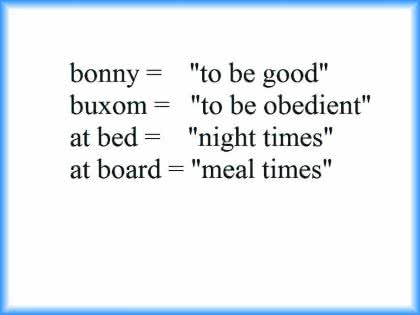
Many traditional songs in Southern France are sung in Occitan.
法国南部的许多传统歌曲都用奥克语演唱。

Old English

/ˌoʊld ˈɪŋ.ɡlɪʃ/

(noun) 古英语

示例:

Many modern English words have their roots in Old English.
许多现代英语单词的根源在于古英语

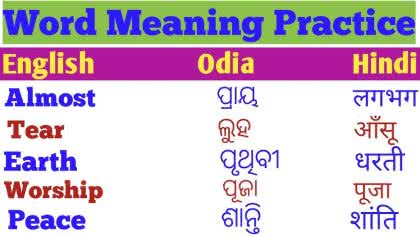
oriya

/ˈɔːriə/

(noun) 奥里亚人, 奥里亚语;

(adjective) 奥里亚的

示例:

The Oriya people have a rich cultural heritage.
奥里亚人拥有丰富的文化遗产。

pashto

/ˈpʌʃ.toʊ/

(noun) 普什图语;

(adjective) 普什图语的, 普什图人的

示例:
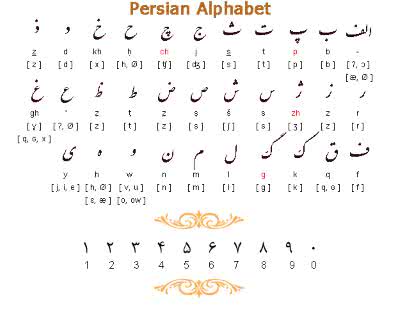
Many people in Afghanistan speak Pashto.
阿富汗的许多人说普什图语

Persian

/ˈpɝː.ʒən/

(noun) 波斯人, 伊朗人;

(adjective) 波斯的, 伊朗的

示例:
Many Persians celebrate Nowruz, the traditional Iranian New Year.
许多波斯人庆祝诺鲁孜节,即传统的伊朗新年。

pictish

/ˈpɪktɪʃ/

(adjective) 皮克特人的;

(noun) 皮克特语

示例:

Archaeologists discovered ancient Pictish symbols carved into the stones.
考古学家发现了刻在石头上的古老皮克特人符号。

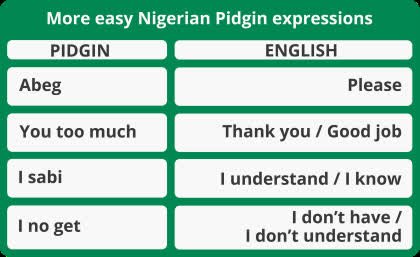
pidgin

/ˈpɪdʒ.ɪn/

(noun) 洋泾浜语, 混杂语

示例:

They communicated using a form of pidgin.
他们使用一种洋泾浜语进行交流。

portuguese

/ˌpɔːr.tʃəˈɡiːz/

(noun) 葡萄牙语;

(adjective) 葡萄牙的

示例:

She is fluent in Portuguese and English.
她能流利地说葡萄牙语和英语。

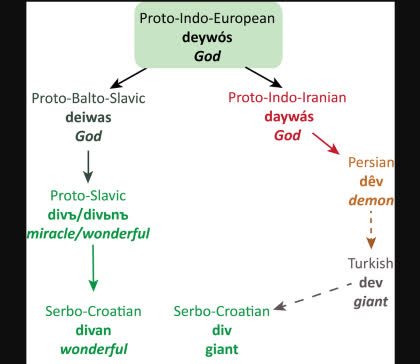
Proto-Indo-European

/ˌproʊ.toʊˌɪn.doʊ.jʊr.əˈpiː.ən/

(noun) 原始印欧语

示例:

Linguists use comparative methods to reconstruct Proto-Indo-European.
语言学家使用比较方法重建原始印欧语

punjabi

/pʌnˈdʒɑː.biː/

(noun) 旁遮普人, 旁遮普语;

(adjective) 旁遮普的

示例:
Many Punjabis have migrated to other countries for better opportunities.
许多旁遮普人为了更好的机会移居到其他国家。

quechua

/ˈketʃ.wɑː/

(noun) 克丘亚人, 克丘亚语;

(adjective) 克丘亚的

示例:
The Quechua people have a rich cultural heritage.
克丘亚人拥有丰富的文化遗产。

romany

/ˈrɑː.mə.ni/

(noun) 罗姆人, 吉卜赛人, 罗姆语;

(adjective) 罗姆人的, 吉卜赛人的

示例:

The Romany people have a rich cultural heritage.
罗姆人拥有丰富的文化遗产。

Russian

/ˈrʌʃ.ən/

(adjective) 俄罗斯的, 俄语的;

(noun) 俄语, 俄罗斯人

示例:

She is studying the Russian language.
她正在学习俄语

sanskrit

/ˈsæn.skrɪt/

(noun) 梵语;

(adjective) 梵语的

示例:

Many ancient Indian texts are written in Sanskrit.
许多古印度文献都是用梵语写成的。

shona

/ˈʃoʊnə/

(noun) 绍纳人, 绍纳语

示例:

The Shona people have a rich cultural heritage.
绍纳人拥有丰富的文化遗产。

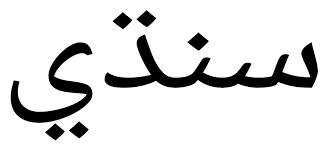
sindhi

/ˈsɪn.di/

(noun) 信德人, 信德语;

(adjective) 信德的

示例:

Many Sindhi people migrated to India after the partition.
许多信德人在分治后移居印度。

sinhalese

/ˌsɪnəˈliːz/

(noun) 僧伽罗人, 僧伽罗语;

(adjective) 僧伽罗的

示例:

The majority of the population in Sri Lanka are Sinhalese.
斯里兰卡的大部分人口是僧伽罗人

Spanish

/ˈspæn.ɪʃ/

(noun) 西班牙语;

(adjective) 西班牙的

示例:

She is learning to speak Spanish.
她正在学习说西班牙语

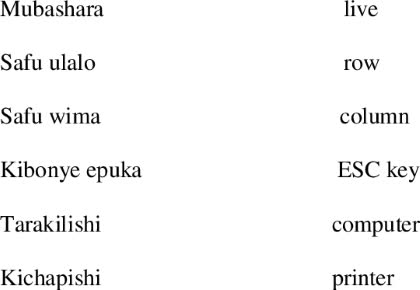
swahili

/swɑːˈhiː.li/

(noun) 斯瓦希里语;

(adjective) 斯瓦希里语的, 斯瓦希里人的

示例:
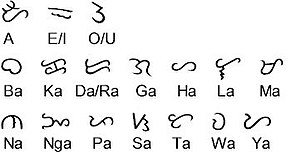
Many people in East Africa speak Swahili.
东非的许多人说斯瓦希里语

tagalog

/təˈɡɑː.lɑːɡ/

(noun) 他加禄人, 他加禄语;

(adjective) 他加禄的

示例:

The Tagalog people have a rich cultural heritage.
他加禄人拥有丰富的文化遗产。

taino

/ˈtaɪ.noʊ/

(noun) 泰诺人;

(adjective) 泰诺的

示例:

The Taíno were the first people encountered by Christopher Columbus in the Americas.
泰诺人是克里斯托弗·哥伦布在美洲遇到的第一批人。

tamil

/ˈtæm.ɪl/

(noun) 泰米尔人, 泰米尔民族, 泰米尔语;

(adjective) 泰米尔的

示例:

The Tamil diaspora is spread across the globe.
泰米尔侨民遍布全球。

telugu

/ˈtel.ə.ɡuː/

(noun) 泰卢固语;

(adjective) 泰卢固的

示例:

She is learning Telugu to communicate with her grandparents.
她正在学习泰卢固语,以便与祖父母交流。

Tok Pisin

/tɑk ˈpɪsɪn/

(noun) 巴布亚皮钦语

示例:

Many people in Papua New Guinea communicate using Tok Pisin.
巴布亚新几内亚的许多人使用巴布亚皮钦语进行交流。

turkish

/ˈtɝː.kɪʃ/

(adjective) 土耳其的, 土耳其语的;

(noun) 土耳其语

示例:
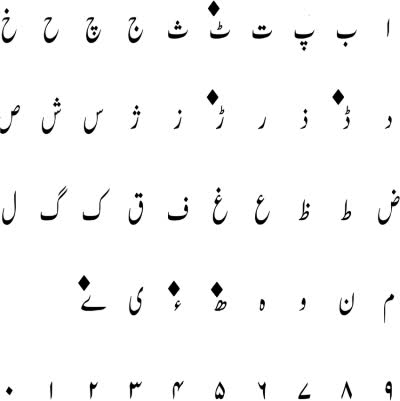
She is learning Turkish to communicate with her grandparents.
她正在学习土耳其语以便与祖父母交流。

urdu

/ˈʊr.duː/

(noun) 乌尔都语

示例:

She is fluent in both Hindi and Urdu.
她精通印地语和乌尔都语

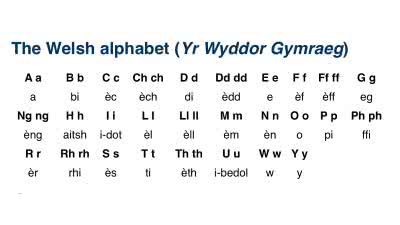
welsh

/welʃ/

(noun) 威尔士语;

(adjective) 威尔士的;

(verb) 违背, 赖账

示例:
Many people in Wales speak Welsh.
许多威尔士人说威尔士语

Wiradhuri

/wɪˈrædʒəri/

(noun) 威拉哲里人, 威拉哲里语

示例:

The Wiradjuri people have a rich cultural heritage.
威拉哲里人拥有丰富的文化遗产。

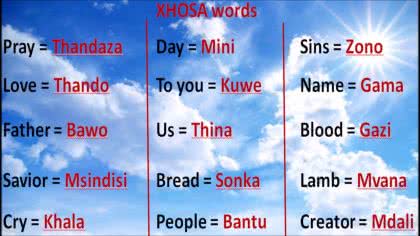
xhosa

/ˈkɔːsə/

(noun) 科萨人, 科萨语

示例:

Many Xhosa people live in the Eastern Cape.
许多科萨人居住在东开普省。

yiddish

/ˈjɪd.ɪʃ/

(noun) 意第绪语;

(adjective) 意第绪语的

示例:

Many older Jewish people still speak Yiddish.
许多年长的犹太人仍然说意第绪语

yoruba

/ˈjɔːrʊbə/

(noun) 约鲁巴人, 约鲁巴语;

(adjective) 约鲁巴的

示例:

The Yoruba people have a rich cultural heritage.
约鲁巴人拥有丰富的文化遗产。

yue

/juːˈɛ/

(noun) 岳, 粤语

示例:

Yue Fei was a renowned military general who lived during the Southern Song Dynasty.
飞是南宋时期著名的军事将领。

zulu

/ˈzuː.luː/

(noun) 祖鲁人, 祖鲁语;

(adjective) 祖鲁的

示例:

The Zulu people have a rich cultural heritage.
祖鲁人拥有丰富的文化遗产。

polish

/ˈpɑː.lɪʃ/

(noun) 上光剂, 磨光剂;

(verb) 擦亮, 磨光, 提升;

(adjective) 波兰的, 波兰语的

示例:
She applied a coat of furniture polish to the table.
她在桌子上涂了一层家具上光剂

Mandarin Chinese

/ˈmæn.dər.ɪn ˌtʃaɪˈniːz/

(noun) 普通话, 国语

示例:

She is fluent in Mandarin Chinese and English.
她能流利地说普通话和英语。
在 Lingoland 学习此词汇集