
词汇集 动物生命与进化(属于 SAT科学词汇):完整且详细的清单
词汇集「动物生命与进化」(属于「SAT科学词汇」)从国际标准教材来源精心挑选,帮助您在短时间内掌握词汇。全面汇整定义、例句及标准发音…
在 Lingoland 学习此词汇集
立即学习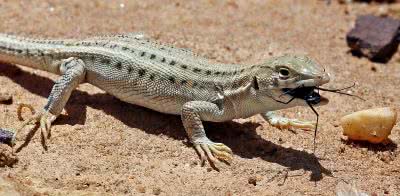
/ɪnˈsek.tə.vɔːr/
(noun) 食虫动物;
(adjective) 食虫的
示例:
Bats are common insectivores, consuming large numbers of mosquitoes.
蝙蝠是常见的食虫动物,它们会吃掉大量的蚊子。
/hɝːˈbɪv.ɚ.əs/
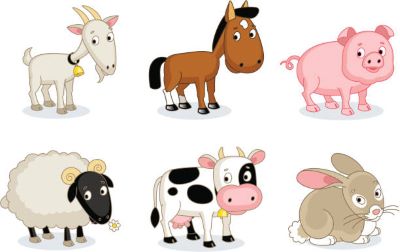
(adjective) 食草的, 草食性的
示例:
Cows are herbivorous animals, eating only grass and other vegetation.
牛是食草动物,只吃草和其他植物。
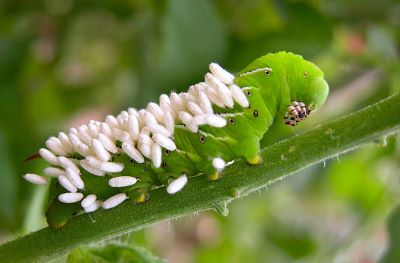
/ˌper.əˈsɪt̬.ɪk/
(adjective) 寄生的, 寄生虫般的, 剥削的
示例:
The doctor diagnosed him with a parasitic infection.
医生诊断他患有寄生虫感染。
/ˈhet̬.ɚ.əˌtroʊf/
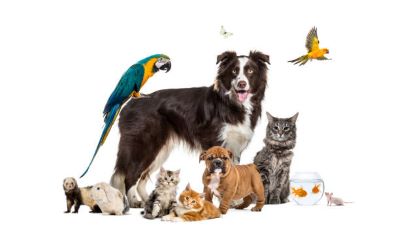
(noun) 异养生物
示例:
Humans are a prime example of a heterotroph because we must eat plants or animals to survive.
人类是异养生物的一个典型例子,因为我们必须食用植物或动物才能生存。
/ˌen.doʊˈθɝː.mɪk/
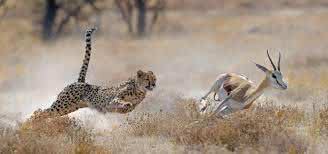
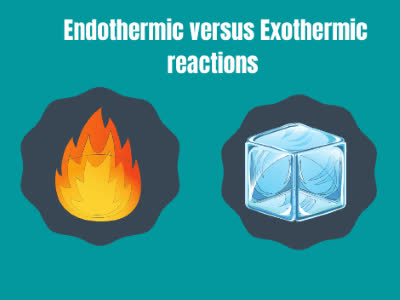
(adjective) 吸热的, 温血的, 恒温的
示例:
Photosynthesis is an endothermic process because it requires energy from sunlight.
光合作用是一个吸热过程,因为它需要来自阳光的能量。
/ˈhaɪ.bɚ.neɪt/
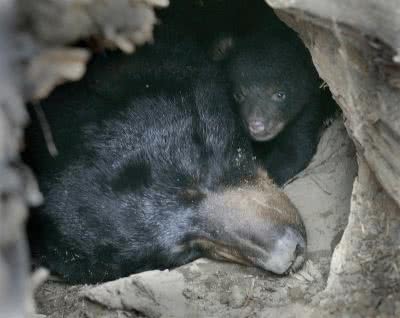
(verb) 冬眠, 暂停, 休眠
示例:
Bears typically hibernate during the colder months.
熊通常在寒冷的月份冬眠。

/əˈraʊ.zəl/
(noun) 觉醒, 唤起, 兴奋
示例:
The loud noise caused a sudden arousal from sleep.
巨大的噪音导致从睡眠中突然惊醒。
/taːkˈsis.ə.t̬i/
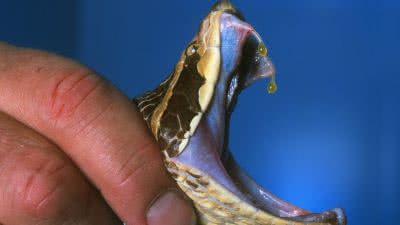
(noun) 毒性, 有害性
示例:
The chemical's toxicity level is a major concern.
这种化学品的毒性水平是一个主要问题。

/ˈpoʊ.t̬ənt.si/
(noun) 效力, 力量, 性能力
示例:
The potency of the drug decreases over time.
这种药物的效力会随着时间而减弱。
/ˈhæb.ə.tæt/
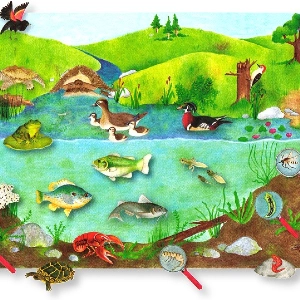
(noun) 栖息地, 生境
示例:
The panda's natural habitat is the bamboo forest.
熊猫的自然栖息地是竹林。
/ˈiː.koʊˌsɪs.təm/
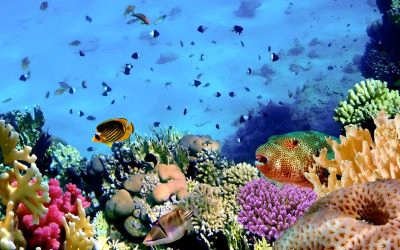
(noun) 生态系统, 复杂网络
示例:
The rainforest is a complex ecosystem with diverse plant and animal life.
雨林是一个复杂的生态系统,拥有多样化的动植物生命。
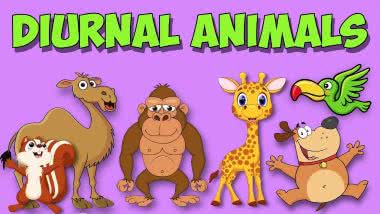
/ˌdaɪˈɝː.nəl/
(adjective) 昼行性的, 白天的, 每日的
示例:
Most birds are diurnal, meaning they are active during the day.
大多数鸟类是昼行性的,这意味着它们在白天活动。
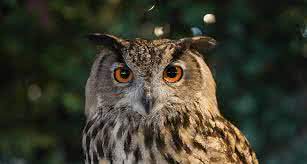

/krɪˈpʌs.kjə.lɚ/
(adjective) 黄昏的, 暮色的, 黄昏性 (动物)
示例:
The forest takes on a mysterious glow during the crepuscular hours.
森林在黄昏时分呈现出神秘的光芒。
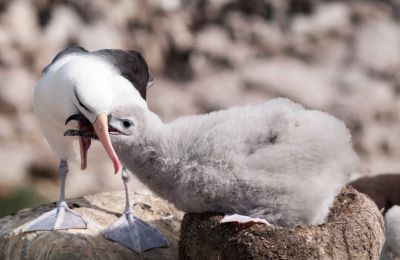
/rɪˈɡɝː.dʒə.teɪt/
(verb) 机械地重复, 人云亦云, 吐出
示例:
The students were just regurgitating facts they had learned by heart.
学生们只是在机械地重复他们背下来的事实。
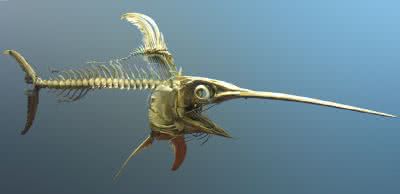
/ˌen.doʊˈskel.ɪ.tən/
(noun) 内骨骼
示例:
Humans and other mammals have an endoskeleton.
人类和其他哺乳动物都有内骨骼。
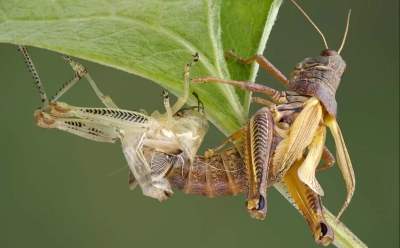
/ˌek.soʊˈskel.ət̬ən/
(noun) 外骨骼, 外部框架
示例:
Insects have a hard exoskeleton that protects their soft bodies.
昆虫有坚硬的外骨骼,保护其柔软的身体。
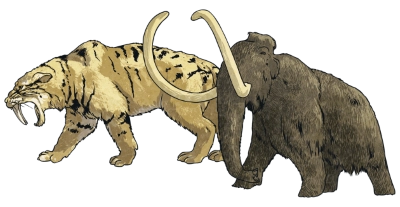
/ɪkˈstɪŋkt/
(adjective) 灭绝的, 死火山, 不活跃的
示例:
Dinosaurs have been extinct for millions of years.
恐龙已经灭绝数百万年了。

/dəˈmes.tɪ.keɪ.t̬ɪd/
(adjective) 驯养的, 家养的, 顾家的
示例:
Dogs are domesticated animals.
狗是驯养的动物。
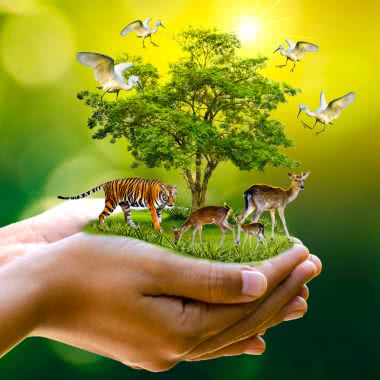
/ˌkɑːn.sɚˈveɪ.ʃən/
(noun) 保护, 保育, 节约
示例:
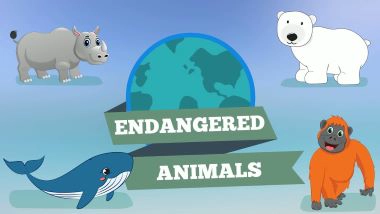
Wildlife conservation efforts are crucial for endangered species.
野生动物保护工作对濒危物种至关重要。
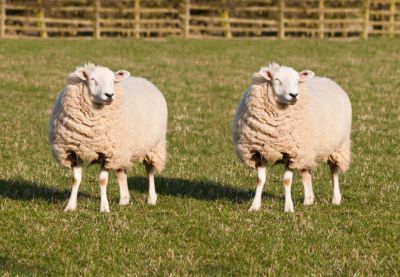
/ˈkloʊ.nɪŋ/
(noun) 克隆
示例:
The scientists are researching the ethical implications of human cloning.
科学家们正在研究人类克隆的伦理影响。
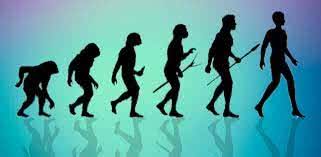
/ˌiː.vəˈluː.ʃən.er.i/
(adjective) 进化的, 进化论的
示例:
The study focused on the evolutionary changes in species over time.
这项研究侧重于物种随时间推移的进化变化。
/ˈprɪm.ə.t̬ɪv/
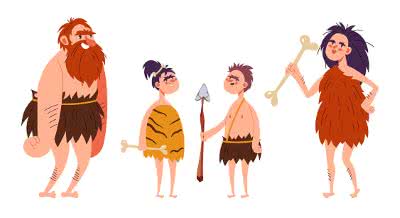
(adjective) 原始的, 早期的, 简陋的;
(noun) 原始人, 未开化的人
示例:
Early humans used primitive tools for hunting.
早期人类使用原始工具狩猎。
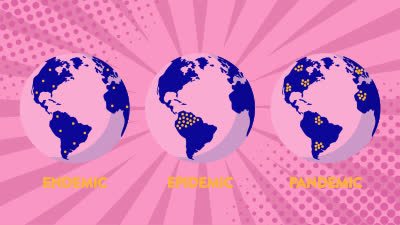
/enˈdem.ɪk/
(adjective) 地方性的, 特有的, 普遍存在的
示例:
Malaria is endemic in tropical regions.
疟疾在热带地区是地方病。
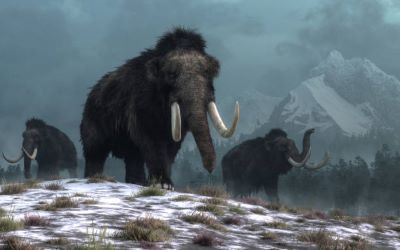
/ˈmæs.tə.dɑːn/
(noun) 乳齿象, 庞然大物, 巨头
示例:
Fossilized remains of a mastodon were discovered in the excavation site.
在发掘现场发现了乳齿象的化石遗骸。
/niːˈæn.dɚˌtɑːl/
(noun) 尼安德特人, 原始人, 粗鲁的人;
(adjective) 尼安德特人的, 陈腐的
示例:
Scientists have sequenced the DNA of a Neanderthal.
科学家们已经对尼安德特人的DNA进行了测序。