
词汇集 从 G 到 M(属于 法律):完整且详细的清单
词汇集「从 G 到 M」(属于「法律」)从国际标准教材来源精心挑选,帮助您在短时间内掌握词汇。全面汇整定义、例句及标准发音…
在 Lingoland 学习此词汇集
立即学习
/ˌɡrænd ˈdʒʊr.i/
(noun) 大陪审团
示例:
The grand jury heard testimony for weeks before issuing an indictment.
大陪审团在发出起诉书之前听取了数周的证词。

/ˈdʒen.ər.əl ɪˈlek.ʃən/
(noun) 大选, 普选
示例:
The country is preparing for a general election next month.
该国正在为下个月的大选做准备。

/ˌheɪ.bi.əs ˈkɔːr.pəs/
(noun) 人身保护令, 提审令
示例:
The prisoner filed a petition for habeas corpus.
囚犯提交了人身保护令的请愿书。

/ˈhelθ ˌkʌv.ər.ɪdʒ/
(noun) 医疗保险, 健康保障
示例:
Many people rely on their employer for health coverage.
许多人依靠雇主提供医疗保险。
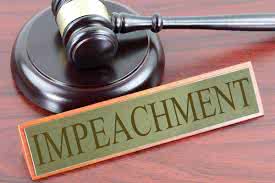
/ɪmˈpiːtʃ.mənt/
(noun) 弹劾, 控告
示例:
The House of Representatives voted for the impeachment of the president.
众议院投票决定弹劾总统。

/ɪnˈdaɪt̬.mənt/
(noun) 起诉, 控告, 控诉
示例:
The grand jury issued an indictment against the suspect.
大陪审团对嫌疑人发出了起诉书。

/ˌɪn.təˈrɑːɡ.ə.tɔːr.i/
(noun) 质询书, 书面提问;
(adjective) 疑问的, 质问的
示例:
The lawyer submitted a detailed interrogatory to the opposing counsel.
律师向对方律师提交了一份详细的质询书。

/ˌɪn.dɪˈpen.dənt/
(adjective) 独立的, 自主的, 不相关的;
(noun) 独立人士, 无党派人士
示例:
The country gained its independent status in 1960.
该国于1960年获得独立地位。

/ɪˈnɪʃ.ə.t̬ɪv/
(noun) 主动性, 首创精神, 举措
示例:
She showed great initiative in organizing the event.
她在组织活动方面表现出极大的主动性。

/ˈdʒʌdʒ.mənt/
(noun) 判断力, 辨别力, 判决
示例:
She showed excellent judgment in her choice of investments.
她在投资选择上表现出卓越的判断力。
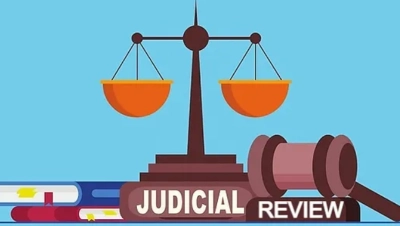
/dʒuˈdɪʃ.əl rɪˈvjuː/
(noun) 司法审查
示例:
The Supreme Court exercised judicial review to overturn the controversial law.
最高法院行使司法审查权推翻了这项有争议的法律。

/ˌdʒʊr.ɪsˈdɪk.ʃən/
(noun) 管辖权, 司法权, 管辖范围
示例:
The court has jurisdiction over all civil cases in the state.
该法院对该州所有民事案件拥有管辖权。

/ˈdʒʌs.tə.faɪ/
(verb) 证明...正当, 为...辩护
示例:
The end does not always justify the means.
目的不总是证明手段是正当的。

/ˈdʒuː.və.nəl/
(noun) 青少年, 少年;
(adjective) 青少年的, 少年时期的, 幼稚的
示例:
The court deals with both adult and juvenile offenders.
法院处理成年和青少年罪犯。

/ˈlɔɪ.jɚ/
(noun) 律师
示例:
She decided to become a lawyer after graduating from law school.
她法学院毕业后决定成为一名律师。

/ˈlek.tʃɚ.ɚ/
(noun) 讲师, 授课者
示例:
The lecturer explained the complex theory clearly.
这位讲师清晰地解释了复杂的理论。

/ˌlɪb.ɚˈter.i.ən/
(noun) 自由意志主义者;
(adjective) 自由意志主义的
示例:
He identifies as a libertarian, advocating for minimal government intervention.
他自认为是自由意志主义者,主张政府干预最小化。

/lɪv ɪn/
(phrasal verb) 住在, 居住在, 住进
示例:
They live in a small apartment downtown.
他们住在市中心的一套小公寓里。

/ˈlɑː.bi.ɪŋ/
(noun) 游说, 说客活动;
(verb) 游说, 正在游说
示例:
The company engaged in extensive lobbying efforts to pass the new bill.
该公司进行了广泛的游说,以通过新法案。

/ˈluːp.hoʊl/
(noun) 漏洞, 空子, 法律漏洞
示例:
They found a legal loophole to avoid paying taxes.
他们找到了一个法律漏洞来避免纳税。

/ˌmɪs.dɪˈmiː.nɚ/
(noun) 不当行为, 轻罪, 违规
示例:
His rude behavior was a slight misdemeanor.
他粗鲁的行为是轻微的不当行为。

/muːt/
(adjective) 悬而未决的, 没有意义的, 有争议的;
(verb) 提出, 讨论;
(noun) 模拟法庭, 辩论会
示例:
Whether the new policy will be effective is a moot point.
新政策是否有效是一个悬而未决的问题。
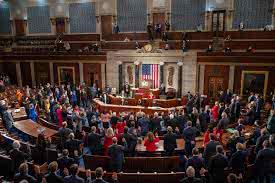
/ˈmem.bər əv ˈkɑːŋ.ɡres/
(noun) 国会议员
示例:
Each state sends representatives to serve as Members of Congress.
每个州都派遣代表担任国会议员。