
词汇集 旅游与移民(属于 C2级别):完整且详细的清单
词汇集「旅游与移民」(属于「C2级别」)从国际标准教材来源精心挑选,帮助您在短时间内掌握词汇。全面汇整定义、例句及标准发音…
在 Lingoland 学习此词汇集
立即学习
/ˌæɡ.rɪˈtʊə.rɪ.zəm/
(noun) 农业旅游, 乡村旅游
示例:
Many small farms are turning to agritourism to supplement their income.
许多小型农场正在转向农业旅游以增加收入。
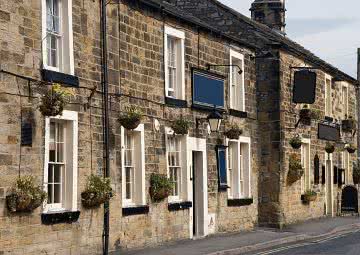
/ˈhɑː.stəl.ri/
(noun) 旅馆, 客栈, 酒店
示例:
The weary travelers sought refuge in a quaint hostelry.
疲惫的旅客在一个古色古香的旅馆里寻求庇护。

/ˈræk reɪt/
(noun) 门市价, 牌价
示例:
The hotel's rack rate for a standard room is $200 per night.
酒店标准间的门市价是每晚200美元。

/ˈtʊr.ɪst træp/
(noun) 旅游陷阱
示例:
The restaurant near the monument was a real tourist trap, with overpriced food and mediocre service.
纪念碑附近的餐厅真是个旅游陷阱,食物价格过高,服务也很一般。

/ˌvæˈleɪ/
(noun) 男仆, 贴身男仆, 代客泊车员;
(verb) 代客泊车
示例:
The wealthy businessman always traveled with his personal valet.
这位富有的商人总是带着他的私人男仆旅行。

/ˌdiː.pɔːrˈteɪ.ʃən/
(noun) 驱逐出境, 遣返
示例:
The government ordered the deportation of undocumented immigrants.
政府下令驱逐无证移民。
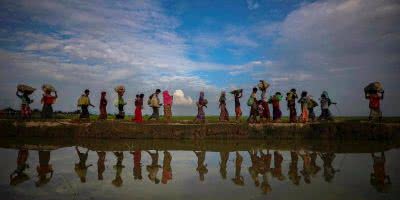
/rəˈfuːl.mɒ̃/
(noun) 驱回, 强制遣返
示例:
The principle of non-refoulement is a cornerstone of international refugee law.
不驱回原则是国际难民法的基石。

/ˈem.ɪ.ɡreɪ/
(noun) 侨民, 流亡者
示例:
Many Russian émigrés settled in Paris after the revolution.
许多俄罗斯侨民在革命后定居巴黎。
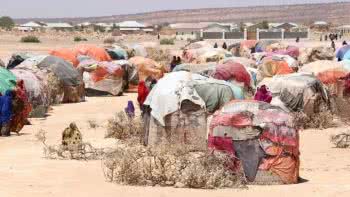
/ɪnˌtɜːr.nəl.i dɪsˈpleɪst ˈpɜːr.sən/
(noun) 境内流离失所者, 国内流离失所者
示例:
The conflict created thousands of internally displaced persons.
冲突造成了数千名境内流离失所者。

/ˌriːˈpeɪ.tri.eɪt/
(verb) 遣返, 归国, 汇回
示例:
The government decided to repatriate the refugees.
政府决定遣返难民。

/ˈnætʃ.ɚ.rə.laɪz/
(verb) 使入籍, 使归化, 使适应
示例:
After living in the country for ten years, she decided to naturalize.
在这个国家生活了十年后,她决定入籍。

/ekˈspeɪ.tri.ət/
(noun) 侨民, 旅居国外者;
(verb) 驱逐出境, 流亡;
(adjective) 侨居的, 流亡的
示例:
Many expatriates choose to retire in warmer climates.
许多侨民选择在气候温暖的地方退休。
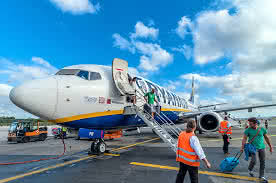
/diːˈpleɪn/
(verb) 下飞机
示例:
Passengers are requested to remain seated until the aircraft has come to a complete stop and the seatbelt sign has been switched off before deplaning.
在飞机完全停稳且安全带指示灯熄灭之前,请乘客留在座位上,然后方可下飞机。
/plaɪ/
(verb) 从事, 使用, 提供;
(noun) 层, 股
示例:
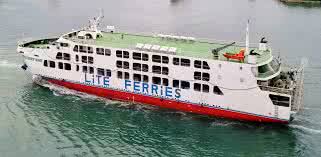
He continued to ply his trade as a carpenter.
他继续从事木匠的行当。

/əˈlaɪt/
(verb) 下车, 下船;
(adjective) 着火的, 发光的, 照亮的
示例:
Passengers must alight from the bus at the next stop.
乘客必须在下一站下车。
/diːˈtreɪn/
(verb) 下车, 下火车
示例:
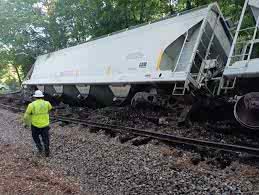
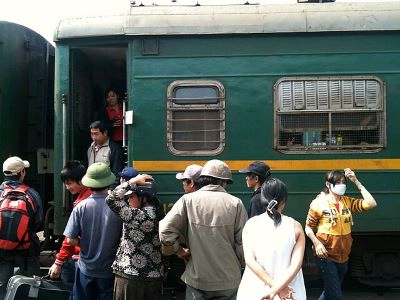
Passengers are requested to detrain at the next station.
乘客请在下一站下车。
/ˈdiː.tʊr/
(noun) 绕道, 弯路;
(verb) 绕道, 改道
示例:
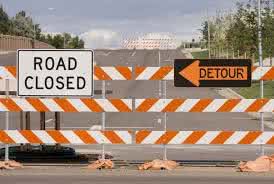
We had to take a detour because of the road construction.
由于道路施工,我们不得不绕道而行。