
词汇集 生物学(属于 C2级别):完整且详细的清单
词汇集「生物学」(属于「C2级别」)从国际标准教材来源精心挑选,帮助您在短时间内掌握词汇。全面汇整定义、例句及标准发音…
在 Lingoland 学习此词汇集
立即学习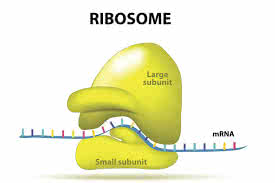
/ˈraɪ.bə.soʊm/
(noun) 核糖体
示例:
Proteins are synthesized on the ribosomes in the cell's cytoplasm.
蛋白质在细胞质中的核糖体上合成。
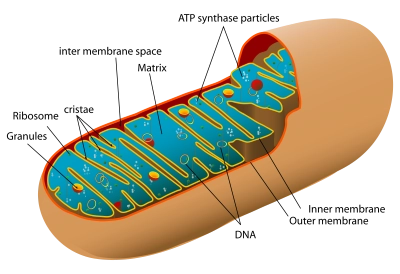
/ˌmaɪ.t̬oʊˈkɑːn.dri.ən/
(noun) 线粒体
示例:
The mitochondrion is often called the powerhouse of the cell.
线粒体常被称为细胞的发电站。
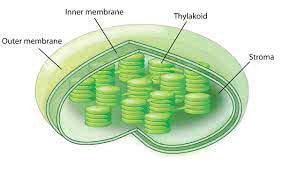
/ˈklɔːr.ə.plæst/
(noun) 叶绿体
示例:
The plant cells are rich in chloroplasts, essential for photosynthesis.
植物细胞富含叶绿体,对光合作用至关重要。
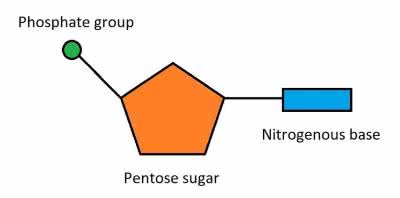
/ˈnuː.kli.oʊ/
(noun) 核苷酸
示例:
Each strand of DNA is a long chain of nucleotides.
每条DNA链都是一条长长的核苷酸链。
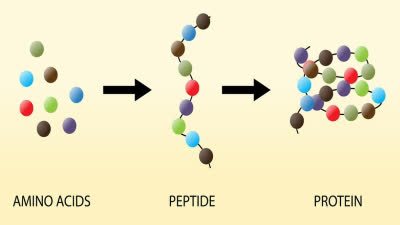
/ˌpɑː.liˈpep.taɪd/
(noun) 多肽
示例:
The ribosome synthesizes a polypeptide chain.
核糖体合成一条多肽链。
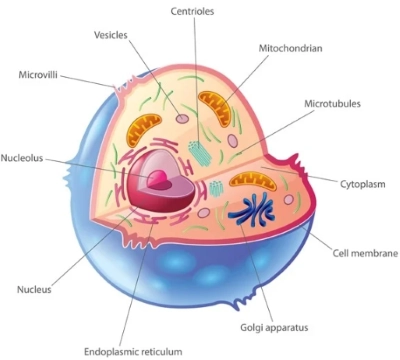
/ˌɔːr.ɡənˈel/
(noun) 细胞器
示例:
Mitochondria are important organelles responsible for energy production.
线粒体是负责能量生产的重要细胞器。
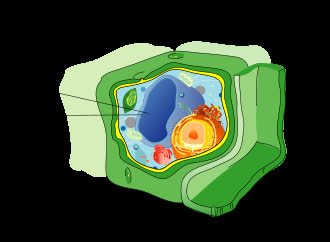
/ˈvæk.ju.oʊl/
(noun) 液泡
示例:
Plant cells often have a large central vacuole.
植物细胞通常有一个大的中央液泡。
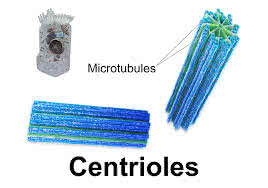
/ˈsen.tri.oʊl/
(noun) 中心粒
示例:
During cell division, the centrioles move to opposite ends of the cell.
在细胞分裂过程中,中心粒移动到细胞的两端。
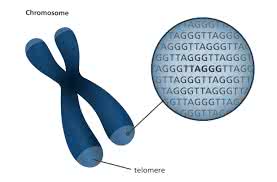
/ˈte.lə.mɪr/
(noun) 端粒
示例:
The length of a telomere is often associated with cellular aging.
端粒的长度通常与细胞衰老相关。
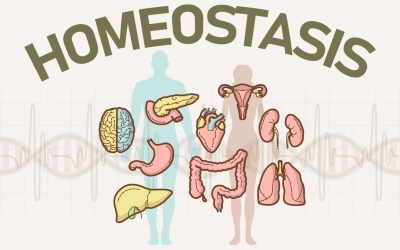
/ˌhoʊ.mi.oʊˈsteɪ.sɪs/
(noun) 内稳态, 体内平衡
示例:
The body maintains homeostasis through various regulatory mechanisms.
身体通过各种调节机制维持内稳态。

/trænsˈleɪ.ʃən/
(noun) 翻译, 译文, 翻译件
示例:
The translation of the document took several hours.
这份文件的翻译花了几个小时。
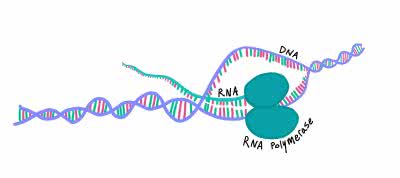
/trænˈskrɪp.ʃən/
(noun) 抄本, 副本, 转录
示例:
The secretary provided a detailed transcription of the meeting minutes.
秘书提供了会议纪要的详细抄本。
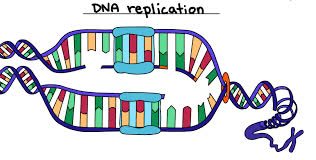
/ˌrep.ləˈkeɪ.ʃən/
(noun) 复制, 再现, 仿制
示例:
The experiment requires careful replication to ensure accuracy.
该实验需要仔细复制以确保准确性。
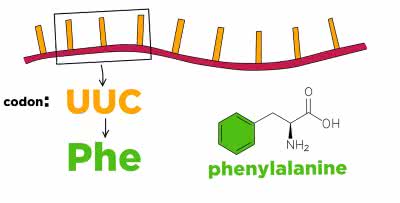
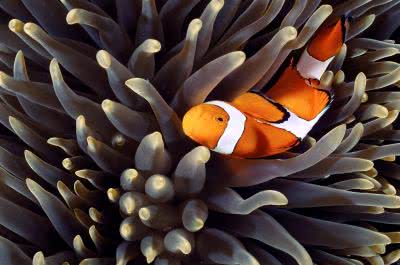
/ˌsɪm.baɪˈoʊ.sɪs/
(noun) 共生, 互利关系
示例:
The clownfish and the sea anemone live in a perfect example of symbiosis.
小丑鱼和海葵生活在完美的共生关系中。
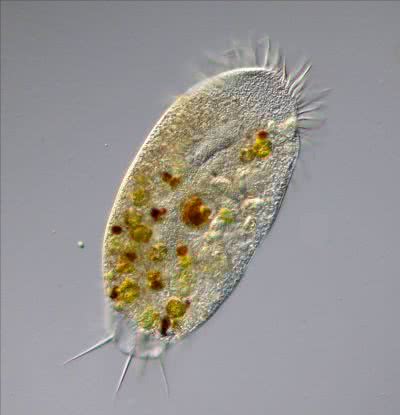
/əˈmiː.bə/
(noun) 阿米巴虫
示例:
The ameba moved slowly across the microscope slide.
阿米巴虫在显微镜载玻片上缓慢移动。
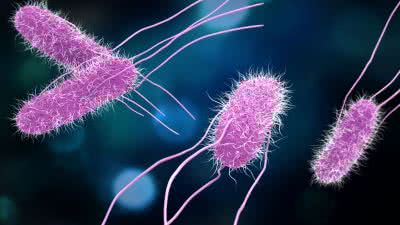
/proʊˈker.i.oʊt/
(noun) 原核生物
示例:
Bacteria are a common example of a prokaryote.
细菌是原核生物的常见例子。
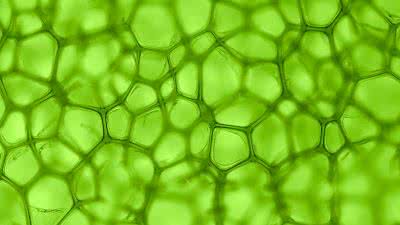
/ˈklɔːr.ə.fɪl/
(noun) 叶绿素
示例:
The leaves get their green color from chlorophyll.
叶子从叶绿素中获得绿色。
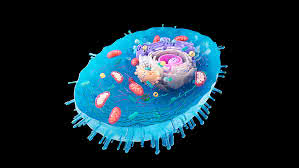
/juːˈker.i.oʊt/
(noun) 真核生物
示例:
Humans are eukaryotes, as our cells contain a nucleus.
人类是真核生物,因为我们的细胞含有细胞核。
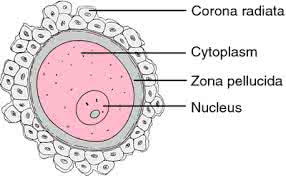
/ˈoʊ.vəm/
(noun) 卵子
示例:
The fertilization of an ovum by a sperm marks the beginning of a new life.
精子使卵子受精标志着新生命的开始。
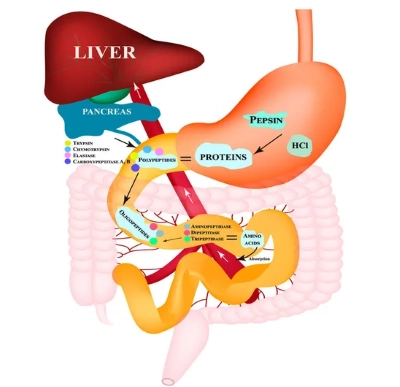
/ˈpep.sɪn/
(noun) 胃蛋白酶
示例:
Pepsin is crucial for the initial stages of protein digestion.
胃蛋白酶对蛋白质消化的初始阶段至关重要。