
词汇集 B2 - 随你喜欢!(属于 B2级别):完整且详细的清单
词汇集「B2 - 随你喜欢!」(属于「B2级别」)从国际标准教材来源精心挑选,帮助您在短时间内掌握词汇。全面汇整定义、例句及标准发音…
在 Lingoland 学习此词汇集
立即学习
/əˈpiːl/
(verb) 呼吁, 恳求, 吸引;
(noun) 呼吁, 恳求, 吸引力
示例:
Police are appealing for witnesses to the accident.
警方正在呼吁事故目击者。

/kənˈsʌlt/
(verb) 咨询, 请教, 协商
示例:
You should consult a doctor about your symptoms.
你应该咨询医生关于你的症状。


/dɪsˈɡʌst/
(noun) 厌恶, 恶心;
(verb) 使厌恶, 使恶心
示例:
The sight of the rotten food filled her with disgust.
看到腐烂的食物让她感到厌恶。

/ˈfeɪ.vɚ/
(noun) 帮助, 恩惠, 支持;
(verb) 偏爱, 支持, 赞成
示例:
Could you do me a favor and pick up my mail?
你能帮我一个忙,去取一下我的邮件吗?

/ˈfeɪ.vər.ət/
(adjective) 最喜欢的, 最爱的;
(noun) 最爱, 宠儿
示例:
What's your favorite color?
你最喜欢的颜色是什么?


/meɪk ʌp wʌnz maɪnd/
(idiom) 下定决心, 决定
示例:
I can't make up my mind whether to go to the party or stay home.
我无法决定是去参加派对还是待在家里。

/pɪk aʊt/
(phrasal verb) 挑选, 选出, 认出
示例:
Can you help me pick out a dress for the party?
你能帮我挑选一件参加派对的裙子吗?
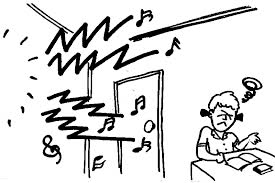
/pʊt ʌp wɪð/
(phrasal verb) 忍受, 容忍
示例:
I can't put up with his constant complaining anymore.
我再也无法忍受他不停的抱怨了。

/θɪŋk ˈoʊvər/
(phrasal verb) 仔细考虑, 深思
示例:
I need some time to think over your offer.
我需要一些时间来仔细考虑你的提议。

/teɪk əˈkaʊnt ʌv/
(idiom) 考虑到, 顾及
示例:
You should take account of her feelings when you make your decision.
你在做决定时应该考虑到她的感受。

/tɜːrn tə/
(phrasal verb) 求助于, 转向, 开始采用
示例:
When she faced difficulties, she always turned to her family for support.
当她遇到困难时,她总是向家人寻求支持。

/wʊd ˈræðər/
(phrase) 宁愿, 宁可
示例:
I would rather stay home tonight than go out.
我宁愿今晚待在家里也不出去。

/dɪˈsɪʒ.ənˌmeɪ.kər/
(noun) 决策者
示例:
The final decision-maker for this project is the CEO.
这个项目的最终决策者是首席执行官。

/dɪˈslaɪk/
(noun) 厌恶, 不喜欢;
(verb) 不喜欢, 厌恶
示例:
She has a strong dislike for seafood.
她对海鲜有强烈的厌恶。

/ˈdʒʌdʒ.mənt/
(noun) 判断力, 辨别力, 判决
示例:
She showed excellent judgment in her choice of investments.
她在投资选择上表现出卓越的判断力。

/ˈpref.ər.əns/
(noun) 偏爱, 优先, 偏好
示例:
She has a strong preference for classical music.
她对古典音乐有强烈的偏爱。

/ˌrez.əˈluː.ʃən/
(noun) 决心, 决议, 解决
示例:
He made a New Year's resolution to exercise more.
他做了一个新年决心,要多锻炼。

/teɪst/
(noun) 味道, 滋味, 品味;
(verb) 品尝, 尝, 尝起来有...味道
示例:
The soup has a delicious taste.
这汤有美味的味道。

/kraɪˈtɪr.i.ən/
(noun) 标准, 准则
示例:
The main criterion for selection is fluency in English.
选择的主要标准是英语流利程度。

/ˈlaɪ.kɪŋ/
(noun) 喜爱, 爱好, 好感
示例:
He developed a strong liking for classical music.
他对古典音乐产生了强烈的喜爱。


/ɑːlˈtɝː.nə.t̬ɪv.li/
(adverb) 另外, 或者
示例:
You can take the bus, or alternatively, you can walk.
你可以坐公交车,或者另外,你可以步行。