
词汇集 A2 - 数学(属于 A2级别):完整且详细的清单
词汇集「A2 - 数学」(属于「A2级别」)从国际标准教材来源精心挑选,帮助您在短时间内掌握词汇。全面汇整定义、例句及标准发音…
在 Lingoland 学习此词汇集
立即学习
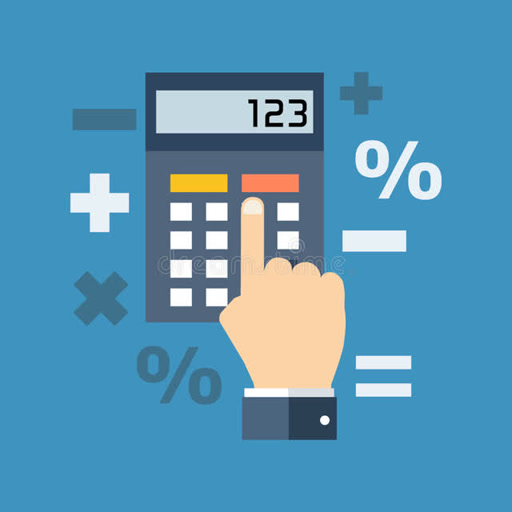
/ˌkæl.kjəˈleɪ.ʃən/
(noun) 计算, 估算, 预测
示例:
The engineer performed a complex calculation to determine the bridge's load capacity.
工程师进行了复杂的计算,以确定桥梁的承载能力。


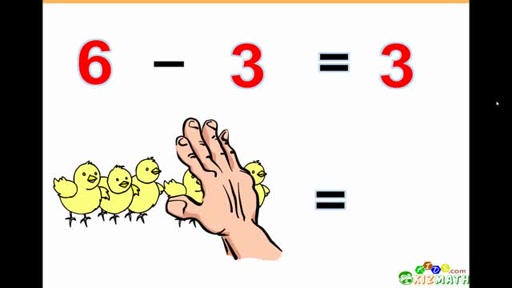

/ˈmʌl.tə.plaɪ/
(verb) 增加, 繁殖, 乘
示例:
The bacteria will multiply rapidly in warm conditions.
细菌在温暖的条件下会迅速繁殖。
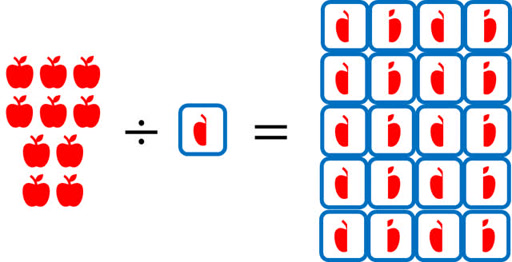
/dɪˈvaɪd/
(verb) 分开, 划分, 除;
(noun) 分界线, 鸿沟
示例:
We need to divide the cake into equal slices.
我们需要把蛋糕分成相等的块。

/kaʊnt/
(verb) 数, 计算, 算数;
(noun) 计数, 总数, 罪名
示例:
Can you count how many apples are in the basket?
你能数一下篮子里有多少苹果吗?
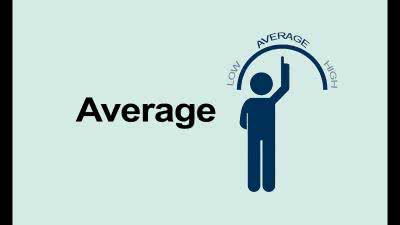
/ˈæv.ɚ.ɪdʒ/
(noun) 平均值, 平均数, 一般;
(adjective) 平均的, 普通的;
(verb) 平均为, 达到平均
示例:
The average score on the test was 75.
这次考试的平均分是75分。

/ˈiː.kwəl/
(adjective) 相等的, 平等的, 胜任的;
(noun) 平等者, 对手;
(verb) 等于, 相当于
示例:
All men are created equal.
人人生而平等。
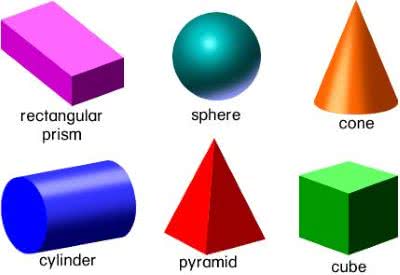
/ˈfɪɡ.jɚ/
(noun) 数字, 数额, 身材;
(verb) 认为, 估计, 弄清楚
示例:
The latest unemployment figures are alarming.
最新的失业数字令人担忧。


/ˈθaʊ.zənd/
(number) 千;
(noun) 成千上万, 大量
示例:
The city has a population of over a thousand.
这个城市的人口超过一千。

/ˈmɪl.jən/
(number) 百万;
(noun) 数百万, 非常大的数量
示例:
The city has a population of over two million.
这个城市的人口超过两百万。

/ˈbɪl.jən/
(number) 十亿;
(noun) 无数, 大量
示例:
The company is valued at over a billion dollars.
这家公司估值超过十亿美元。

/ˈmaɪnəs saɪn/
(noun) 负号, 减号
示例:
The temperature dropped to five degrees minus.
温度降到了零下五度。

/plʌs saɪn/
(noun) 加号, 正号
示例:
The equation used a plus sign to show the sum.
该等式使用加号来表示总和。
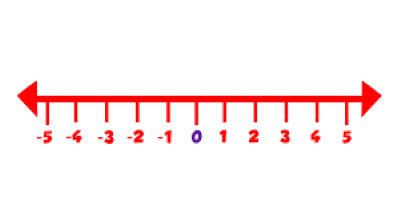
/ˈneɡ.ə.t̬ɪv/
(adjective) 否定的, 消极的, 负面的;
(noun) 否定, 拒绝, 底片
示例:
She gave a negative answer to the proposal.
她对这个提议给出了否定的答复。
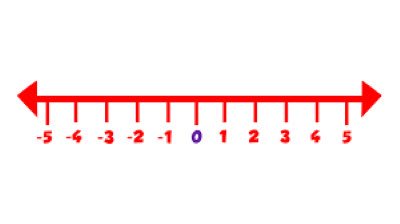
/ˈpɑː.zə.t̬ɪv/
(adjective) 确信的, 肯定的, 明确的;
(noun) 正片, 幻灯片
示例:
I'm positive that I locked the door.
我确信我锁了门。

/ˌɑː.pəˈreɪ.ʃən/
(noun) 手术, 外科手术, 运行
示例:
The patient underwent a successful heart operation.
病人成功地进行了心脏手术。

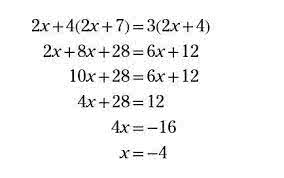
/səˈluː.ʃən/
(noun) 解决方案, 答案, 溶液
示例:
We need to find a practical solution to this issue.
我们需要找到一个解决这个问题的实用方案。
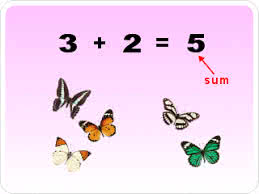
/sʌm/
(noun) 金额, 款项, 和;
(verb) 计算总和, 合计, 总结
示例:
He paid a large sum for the painting.
他为这幅画付了一大笔钱。

/ˈtoʊ.t̬əl/
(noun) 总数, 总和;
(adjective) 总的, 全部的, 完全的;
(verb) 总计, 达到
示例:
The total cost of the trip was $500.
这次旅行的总费用是500美元。


/pɚˈsent/
(noun) 百分比, 百分之
示例:
Only ten percent of the students passed the exam.
只有百分之十的学生通过了考试。