Avatar of Vocabulary Set 愛與恨 2

詞彙集 愛與恨 2(屬於 決定):完整且詳細的清單

詞彙集「愛與恨 2」(屬於「決定」)從國際標準教材來源精心挑選,幫助您在短時間內掌握詞彙。全面彙整定義、例句及標準發音…

在 Lingoland 學習此詞彙集

立即學習

heart

/hɑːrt/

(noun) 心臟, 心, 內心;

(verb) 鼓勵, 激勵

範例:

The doctor listened to her heart with a stethoscope.
醫生用聽診器聽了她的心跳

inclined

/ɪnˈklaɪnd/

(adjective) 傾向於, 有意, 傾斜的

範例:

I'm inclined to agree with you on this matter.
傾向於在這件事上同意你的看法。

keen

/kiːn/

(adjective) 熱衷的, 渴望的, 敏銳的;

(verb) 哀嚎, 慟哭

範例:

She's very keen on learning new languages.
她對學習新語言非常熱衷

lean toward

/liːn təˈwɔːrd/

(phrasal verb) 傾向於, 偏向於

範例:

I lean toward the opinion that we should invest more in renewable energy.
傾向於我們應該在可再生能源方面投入更多資金的觀點。

like

/laɪk/

(preposition) 像, 如同, 比如;

(verb) 喜歡, 喜愛, 想要;

(conjunction) 像, 如同;

(adverb) 說, 表示;

(interjection) 就想, 表示;

(noun) 類似物, 同類

範例:

She looks just like her mother.
她長得真她媽媽。

love

/lʌv/

(noun) 愛, 熱愛, 摯愛;

(verb) 愛, 熱愛, 喜歡

範例:

Their love for each other was evident to everyone.
他們彼此的對每個人來說都是顯而易見的。

mad

/mæd/

(adjective) 瘋的, 精神失常的, 生氣的

範例:

The old man seemed completely mad, talking to himself in the street.
那個老人看起來完全瘋了,在街上自言自語。

misogynist

/mɪˈsɑː.dʒən.ɪst/

(noun) 厭女者, 厭惡女性者

範例:

His comments revealed him to be a true misogynist.
他的評論暴露出他是一個真正的厭女者

misogynistic

/mɪˌsɑː.dʒɪˈnɪs.tɪk/

(adjective) 厭女的, 仇視女性的

範例:

His comments were deeply misogynistic and offensive.
他的言論充滿了深刻的厭女症和冒犯性。

overfond

/ˌoʊvərˈfɑːnd/

(adjective) 過分溺愛, 過分喜愛

範例:

She was overfond of her grandchildren, spoiling them with too many gifts.
過分溺愛她的孫子孫女,給他們太多禮物把他們寵壞了。

partial

/ˈpɑːr.ʃəl/

(adjective) 部分的, 不完全的, 偏愛

範例:

The building suffered partial damage from the fire.
建築物在火災中遭受了部分損壞。

partiality

/ˌpɑːr.ʃiˈæl.ə.t̬i/

(noun) 偏愛, 偏袒, 偏見

範例:

She showed a clear partiality for the younger students.
她對年輕學生表現出明顯的偏愛

passion

/ˈpæʃ.ən/

(noun) 激情, 熱情, 愛好

範例:

He spoke with great passion about his beliefs.
他滿懷激情地談論自己的信仰。

penchant

/ˈpen.tʃənt/

(noun) 偏愛, 嗜好, 傾向

範例:

He has a penchant for exotic foods.
他偏愛異國情調的食物。

picky

/ˈpɪk.i/

(adjective) 挑剔的, 苛求的

範例:

My daughter is a very picky eater.
我女兒是個很挑剔的食客。

please

/pliːz/

(interjection) 請;

(verb) 取悅, 使滿意

範例:

Can you help me, please?
你幫我一下好嗎?

potty

/ˈpɑː.t̬i/

(noun) 便盆, 兒童馬桶;

(adjective) 瘋了的, 傻的, 學會上廁所的

範例:

We're trying to get our toddler to use the potty.
我們正在努力讓我們的孩子使用便盆

prefer

/prɪˈfɝː/

(verb) 更喜歡, 寧願

範例:

I prefer coffee to tea.
更喜歡咖啡而不是茶。

preferable

/ˈpref.ər.ə.bəl/

(adjective) 更可取, 更好的

範例:

Working from home is preferable for many people.
對許多人來說,在家工作是更可取的。

preferably

/ˈpref.ər.ə.bli/

(adverb) 最好, 更可取地

範例:

We need a quiet room, preferably with a window.
我們需要一間安靜的房間,最好有窗戶。

preference

/ˈpref.ər.əns/

(noun) 偏愛, 優先, 偏好

範例:

She has a strong preference for classical music.
她對古典音樂有強烈的偏愛

prejudiced

/ˈpredʒ.ə.dɪst/

(adjective) 有偏見的, 抱有成見的

範例:

He is very prejudiced against people from other countries.
他對來自其他國家的人非常偏見

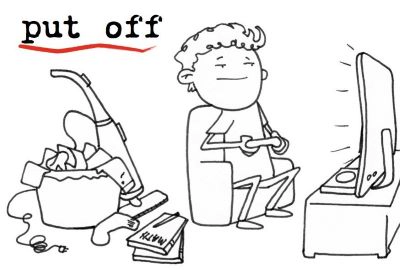
put off

/pʊt ɔf/

(phrasal verb) 推遲, 延期, 使反感

範例:

Don't put off until tomorrow what you can do today.
不要把今天能做的事推遲到明天。

repugnance

/rɪˈpʌɡ.nəns/

(noun) 厭惡, 反感, 矛盾

範例:

She felt a deep sense of repugnance towards the violence.
她對暴力感到深深的厭惡

repulsion

/rɪˈpʌl.ʃən/

(noun) 厭惡, 反感, 排斥

範例:

She felt a strong sense of repulsion towards the violent scenes in the movie.
她對電影中的暴力場景感到強烈的厭惡

resistance

/rɪˈzɪs.təns/

(noun) 抵抗, 反抗, 抵抗力

範例:

The local population offered strong resistance to the invading army.
當地居民對入侵軍隊進行了強烈抵抗

take a fancy to

/teɪk ə ˈfæn.si tuː/

(idiom) 喜歡上, 看上

範例:

He's really taken a fancy to his new puppy.
他真的喜歡上了他的新小狗。

take against

/teɪk əˈɡenst/

(phrasal verb) 開始不喜歡, 對...產生反感

範例:

She immediately took against her new boss.
她立刻不喜歡她的新老闆。

take a shine to

/teɪk ə ʃaɪn tə/

(idiom) 喜歡上, 看上

範例:

The dog seemed to take a shine to me right away.
那隻狗似乎立刻就喜歡上了我。

take to

/teɪk tuː/

(phrasal verb) 喜歡上, 適應, 開始

範例:

She immediately took to her new puppy.
她立刻喜歡上了她的新小狗。

warm to

/wɔːrm tə/

(phrasal verb) 喜歡上, 開始接受

範例:

I wasn't sure about the new plan at first, but I'm starting to warm to it.
我一開始對新計劃不太確定,但我開始喜歡上它了。

would

/wʊd/

(modal verb) 會, 將, 請問

範例:

He said he would be here by noon.
他說他在中午前到這裡。

would rather

/wʊd ˈræðər/

(phrase) 寧願, 寧可

範例:

I would rather stay home tonight than go out.
寧願今晚待在家裡也不出去。

stir up

/stɜːr ˈʌp/

(phrasal verb) 引起, 激起, 攪動

範例:

His comments always stir up controversy.
他的評論總是引起爭議。
在 Lingoland 學習此詞彙集