
詞彙集 觀點(屬於 雅思學術字彙(6-7分)):完整且詳細的清單
詞彙集「觀點」(屬於「雅思學術字彙(6-7分)」)從國際標準教材來源精心挑選,幫助您在短時間內掌握詞彙。全面彙整定義、例句及標準發音…
在 Lingoland 學習此詞彙集
立即學習
/dɪˈnaʊns/
(verb) 譴責, 聲討, 告發
範例:
The government was quick to denounce the terrorist attack.
政府迅速譴責了這次恐怖襲擊。

/dɪˈplɔːr/
(verb) 譴責, 悲嘆
範例:
We deplore the use of violence against innocent civilians.
我們譴責針對無辜平民的暴力行為。

/ˈɑːb.dʒɪkt/
(noun) 物體, 東西, 對象;
(verb) 反對, 異議
範例:
She picked up a strange object from the ground.
她從地上撿起一個奇怪的物體。

/rɪˈproʊtʃ/
(verb) 責備, 指責;
(noun) 責備, 恥辱
範例:
She reproached him for his lack of punctuality.
她責備他不守時。

/dɪˈspjuːt/
(noun) 爭論, 爭執, 糾紛;
(verb) 爭論, 質疑, 辯駁
範例:
The border dispute between the two countries escalated.
兩國之間的邊界爭端升級了。

/dɪˈsper.ɪdʒ/
(verb) 貶低, 輕視, 毀謗
範例:
He tends to disparage his coworkers' achievements to make himself look better.
他傾向於貶低同事的成就,以使自己看起來更好。

/ˈɡrʌm.bəl/
(verb) 抱怨, 發牢騷;
(noun) 抱怨, 牢騷
範例:
He would always grumble about the food.
他總是抱怨食物。

/ˈmʌt̬.ɚ/
(verb) 嘟囔, 抱怨;
(noun) 嘟囔, 抱怨聲
範例:
He began to mutter about the unfairness of the decision.
他開始嘟囔著抱怨這個決定的不公平。


/skoʊld/
(verb) 責罵, 訓斥, 斥責;
(noun) 責罵, 訓斥, 斥責
範例:
The teacher had to scold the students for talking during the lesson.
老師不得不責罵那些在課堂上說話的學生。

/rɪˈvaɪl/
(verb) 辱罵, 痛斥, 誹謗
範例:
He was reviled by the public for his controversial remarks.
他因其爭議性言論而受到公眾的辱罵。

/waɪn/
(verb) 嗚咽, 抱怨, 發牢騷;
(noun) 嗚咽聲, 抱怨, 牢騷
範例:
The dog started to whine when it heard the thunder.
狗聽到雷聲開始嗚咽。

/dɪˈkraɪ/
(verb) 譴責, 公開指責
範例:
Many activists decry the government's new environmental policy.
許多活動人士譴責政府的新環保政策。

/rɪˈbjuːk/
(verb) 指責, 訓斥;
(noun) 指責, 訓斥
範例:
The teacher rebuked the student for being late to class.
老師因學生上課遲到而指責了他。

/ˈvɪl.ə.faɪ/
(verb) 詆毀, 誹謗, 污衊
範例:
The media tried to vilify the politician with false accusations.
媒體試圖用虛假指控詆毀這位政客。

/ˈsen.ʃɚ/
(noun) 譴責, 指責, 嚴厲批評;
(verb) 譴責, 指責, 嚴厲批評
範例:
The politician faced public censure for his controversial remarks.
這位政治家因其有爭議的言論而面臨公眾譴責。

/ˈrep.rə.mænd/
(verb) 訓斥, 譴責, 申斥;
(noun) 訓斥, 譴責, 申斥
範例:
The teacher had to reprimand the student for cheating on the exam.
老師不得不訓斥學生在考試中作弊。

/ˈbæd.maʊθ/
(verb) 說壞話, 詆毀
範例:
Stop bad-mouthing your colleagues behind their backs.
別在背後說同事的壞話。

/ˈslæn.dɚ/
(noun) 誹謗, 中傷;
(verb) 誹謗, 中傷
範例:
He sued the newspaper for slander after they published false accusations.
報紙刊登虛假指控後,他以誹謗罪起訴了報社。

/ˈkɑːm.plə.mənt/
(noun) 讚美, 恭維;
(verb) 稱讚, 恭維
範例:
She received many compliments on her new dress.
她因新裙子受到了許多讚美。


/rɪˈdʒɔɪs/
(verb) 欣喜, 歡慶
範例:
We rejoiced at the news of her safe arrival.
聽到她平安抵達的消息,我們非常欣喜。

/rɪˈpruːv/
(verb) 責備, 指責
範例:
The teacher reproved the student for his constant whispering.
老師因學生不斷低聲說話而責備了他。


/bɪˈlɪt̬.əl/
(verb) 貶低, 輕視
範例:
He tends to belittle her achievements in front of others.
他傾向於在別人面前貶低她的成就。
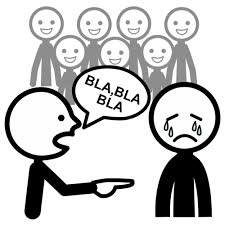
/ˈrɪd.ə.kjuːl/
(noun) 嘲笑, 奚落;
(verb) 嘲笑, 奚落
範例:
His ideas were met with ridicule from his colleagues.
他的想法遭到了同事們的嘲笑。

/ˈvæl.ə.deɪt/
(verb) 驗證, 證實, 肯定
範例:
The data needs to be validated before it can be used.
數據在使用前需要驗證。