Avatar of Vocabulary Set 教育

一般的な語彙 内 教育 語彙セット:完全かつ詳細なリスト

「一般的な語彙」内の「教育」語彙セットは国際標準教材から厳選され、短期間で語彙をマスターできます。定義、例文、標準発音を網羅…

Lingolandでこの語彙セットを学習

今すぐ学習

boarding school

/ˈbɔːr.dɪŋ ˌskuːl/

(noun) 寄宿学校

例:

She was sent to a boarding school when she was ten.
彼女は10歳の時に寄宿学校に送られた。

state school

/ˈsteɪt skuːl/

(noun) 公立学校, 国立学校

例:

Most children in the UK attend a state school.
英国のほとんどの子供たちは公立学校に通っています。

secondary school

/ˈsek.ən.der.i skuːl/

(noun) 中学校, 中等教育学校

例:

My daughter just started secondary school this year.
私の娘は今年、中学校に入学しました。

primary

/ˈpraɪ.mer.i/

(adjective) 主要な, 第一の, 初期の;

(noun) 予備選挙, プライマリー

例:
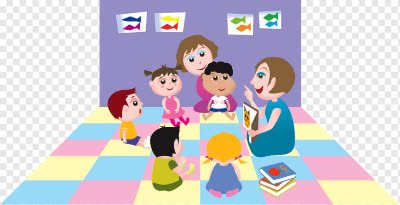
The primary goal is to reduce costs.
主要な目標はコスト削減です。

nursery school

/ˈnɜːrsəri skuːl/

(noun) 幼稚園, 保育園

例:

My daughter started nursery school last month.
私の娘は先月幼稚園に入園しました。

school

/skuːl/

(noun) 学校, 授業, 学期;

(verb) 教える, 訓練する

例:

My daughter starts school next year.
娘は来年学校に通い始めます。

college

/ˈkɑː.lɪdʒ/

(noun) 大学, 単科大学, 教職員と学生

例:

She is going to college next year to study engineering.
彼女は来年、工学を学ぶために大学に行く。

university

/ˌjuː.nəˈvɝː.sə.t̬i/

(noun) 大学

例:

She decided to apply to several universities.
彼女はいくつかの大学に出願することに決めた。

professor

/prəˈfes.ɚ/

(noun) 教授

例:

Professor Smith teaches history at the university.
スミス教授は大学で歴史を教えている。

lecturer

/ˈlek.tʃɚ.ɚ/

(noun) 講師, 講演者

例:

The lecturer explained the complex theory clearly.
講師は複雑な理論を明確に説明した。

researcher

/ˈriː.sɝː.tʃɚ/

(noun) 研究者

例:

The researcher published a groundbreaking study on climate change.
その研究者は気候変動に関する画期的な研究を発表した。

graduate

/ˈɡrædʒ.u.ət/

(noun) 卒業生, 修了生;

(verb) 卒業する, 修了する, 移行する

例:
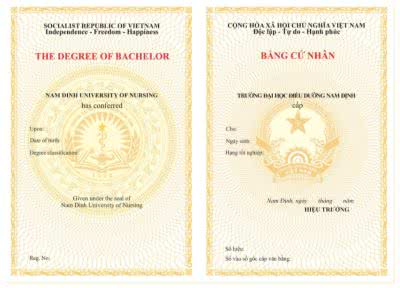
She is a recent graduate of Harvard University.
彼女はハーバード大学の最近の卒業生です。

degree

/dɪˈɡriː/

(noun) 程度, 度合い, 度

例:

To what degree do you agree with this statement?
この声明にどの程度同意しますか?

thesis

/ˈθiː.sɪs/

(noun) 論文, 命題, 学位論文

例:

Her main thesis was that the economic crisis was caused by deregulation.
彼女の主な論文は、経済危機が規制緩和によって引き起こされたというものだった。

lecture

/ˈlek.tʃɚ/

(noun) 講義, 講演, お説教;

(verb) 講義する, 講演する, お説教する

例:

The professor gave a fascinating lecture on ancient history.
教授は古代史に関する魅力的な講義を行った。

debate

/dɪˈbeɪt/

(noun) 討論, 議論;

(verb) 討論する, 議論する

例:

The candidates will participate in a televised debate tonight.
候補者たちは今夜、テレビ討論会に参加します。

higher education

/ˌhaɪər ˈedʒuˌkeɪʃən/

(noun) 高等教育

例:

She plans to pursue higher education after finishing high school.
彼女は高校卒業後、高等教育を受ける予定です。

semester

/səˈmes.tɚ/

(noun) 学期

例:

The fall semester begins in late August.
秋の学期は8月下旬に始まります。

student

/ˈstuː.dənt/

(noun) 学生, 生徒

例:

The new student quickly made friends.
新しい学生はすぐに友達を作った。

student union

/ˈstuːdnt ˈjuːnjən/

(noun) 学生自治会, 学生会館

例:

The student union organized a concert for the campus.
学生自治会はキャンパスのためにコンサートを企画した。

tuition

/tuːˈɪʃ.ən/

(noun) 授業料, 学費, 指導

例:

University tuition fees have increased significantly.
大学の授業料が大幅に値上がりしました。

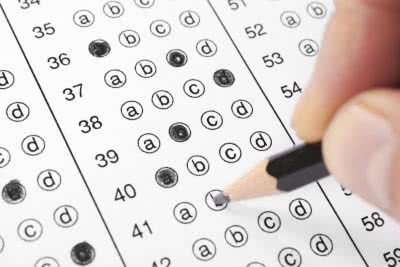
exam

/ɪɡˈzæm/

(noun) 試験, テスト

例:

I have a math exam tomorrow.
明日、数学の試験があります。

fail

/feɪl/

(verb) 失敗する, 不合格になる, 怠る;

(noun) 失敗, 不合格

例:
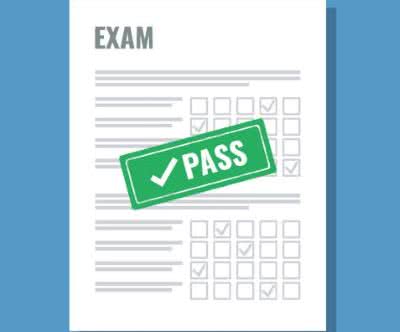
He tried his best, but he still failed the exam.
彼は最善を尽くしたが、それでも試験に落ちた

pass

/pæs/

(verb) 通過する, 渡す, 通り過ぎる;

(noun) 合格, パス, 通行証

例:

A car passed us on the highway.
車が高速道路で私たちを追い越した

study

/ˈstʌd.i/

(noun) 勉強, 学習, 書斎;

(verb) 勉強する, 学習する, 研究する

例:
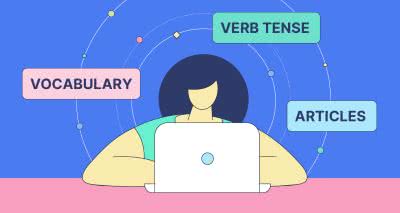
She spent all night studying for her exams.
彼女は試験のために一晩中勉強した。

learn

/lɝːn/

(verb) 学ぶ, 習得する, 知る

例:

She is eager to learn new languages.
彼女は新しい言語を学ぶことに熱心です。

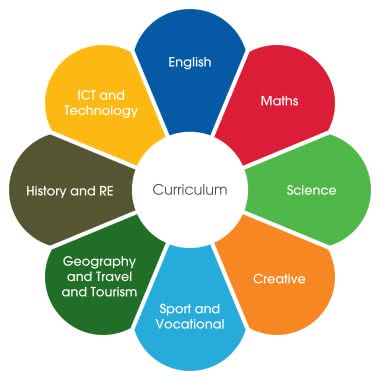
curriculum

/kəˈrɪk.jə.ləm/

(noun) カリキュラム, 教育課程

例:

The school is revising its curriculum to include more technology courses.
学校はより多くのテクノロジーコースを含めるためにカリキュラムを改訂しています。

course

/kɔːrs/

(noun) 進路, 方向, 経路;

(verb) 流れる, 進む

例:

The ship altered its course to avoid the storm.
船は嵐を避けるために進路を変えた。

subject

/ˈsʌb.dʒekt/

(noun) 主題, 話題, 科目;

(verb) 従わせる, さらす;

(adjective) 〜の対象となる, 〜を受けやすい

例:
The main subject of the meeting was the new budget.
会議の主な議題は新しい予算でした。

grade

/ɡreɪd/

(noun) 等級, 品質, 程度;

(verb) 採点する, 等級分けする, 分類する

例:
This is a high grade olive oil.
これは高品質のオリーブオイルです。

mark

/mɑːrk/

(noun) 印, マーク, 点数;

(verb) 跡をつける, 汚す, マークする

例:

The teacher put a red mark on the incorrect answers.
先生は間違った答えに赤いをつけた。

qualification

/ˌkwɑː.lə.fəˈkeɪ.ʃən/

(noun) 資格, 免許, 能力

例:

She has excellent academic qualifications.
彼女は優れた学術的な資格を持っています。

certificate

/sɚˈtɪf.ə.kət/

(noun) 証明書, 証書, 修了証;

(verb) 認定する, 証明する

例:
She received her birth certificate yesterday.
彼女は昨日、出生証明書を受け取った。

attendance

/əˈten.dəns/

(noun) 出席, 参加, 出席者数

例:

Her attendance at the meeting was mandatory.
彼女の会議への出席は必須だった。

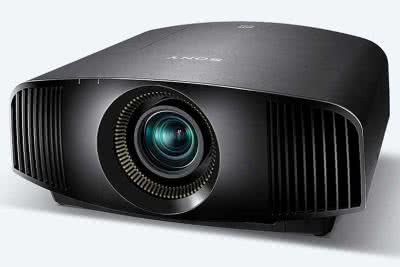
projector

/prəˈdʒek.tɚ/

(noun) プロジェクター, 映写機

例:

The teacher used a projector to show the slides.
先生はスライドを見せるためにプロジェクターを使った。

textbook

/ˈtekst.bʊk/

(noun) 教科書, テキスト;

(adjective) 模範的な, 典型的な

例:

We need to buy a new textbook for our history class.
歴史の授業のために新しい教科書を買う必要があります。

question

/ˈkwes.tʃən/

(noun) 質問, 問題, 疑問;

(verb) 尋問する, 質問する, 疑問視する

例:
She asked a difficult question.
彼女は難しい質問をした。

answer

/ˈæn.sɚ/

(noun) 答え, 返事;

(verb) 答える, 返事をする

例:

She gave a quick answer to the question.
彼女は質問に素早い答えを出した。

mistake

/mɪˈsteɪk/

(noun) 間違い, 誤り;

(verb) 間違える, 誤解する

例:

I made a mistake on the exam.
試験で間違いを犯した。

right

/raɪt/

(adjective) 正しい, 適切な, 右;

(adverb) 右に, すぐに, 直接;

(noun) 権利, 右, 右側;

(verb) 元に戻す, 立て直す;

(interjection) わかった, だろ

例:

It's not right to cheat on a test.
テストでカンニングするのは正しくない

wrong

/rɑːŋ/

(adjective) 間違った, 誤った, 不道徳な;

(adverb) 間違って, 不適切に;

(noun) 過ち, 不正;

(verb) 不当な扱いをする, 間違ったことをする

例:

You got the answer wrong.
答えが間違っています。

register

/ˈredʒ.ə.stɚ/

(verb) 登録する, 記録する, 示す;

(noun) 登録簿, 名簿, レジ

例:
You need to register your car with the DMV.
DMVに車を登録する必要があります。

assembly

/əˈsem.bli/

(noun) 集会, 議会, 会合

例:

The school held a special assembly for the graduating students.
学校は卒業生のために特別な集会を開いた。

holiday

/ˈhɑː.lə.deɪ/

(noun) 休暇, 祝日;

(verb) 休暇を過ごす, 休む

例:

We're going on holiday to Spain next month.
来月、スペインに休暇で行きます。

teacher

/ˈtiː.tʃɚ/

(noun) 先生, 教師

例:

My favorite teacher is Mrs. Davis.
私のお気に入りの先生はデイビス先生です。

pupil

/ˈpjuː.pəl/

(noun) 生徒, 児童, 瞳孔

例:

The teacher praised the pupil for her excellent work.
先生は生徒の素晴らしい仕事を褒めた。

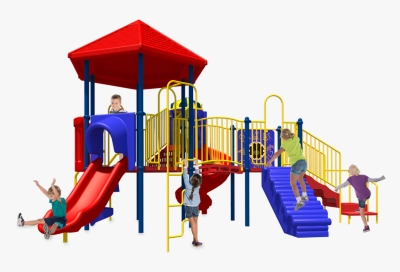
playground

/ˈpleɪ.ɡraʊnd/

(noun) 遊び場, 運動場, 活動の場

例:

The children ran excitedly to the playground.
子供たちは興奮して遊び場に走っていった。

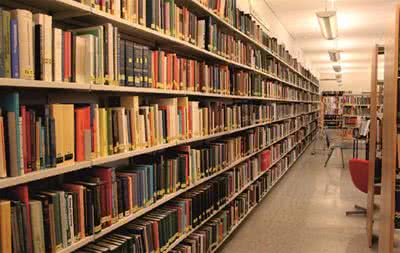
library

/ˈlaɪ.brer.i/

(noun) 図書館, 蔵書, コレクション

例:

I'm going to the library to borrow some books.
本を借りるために図書館に行きます。

hall

/hɑːl/

(noun) ホール, 廊下, 玄関

例:

She waited for him in the hall.
彼女はホールで彼を待った。

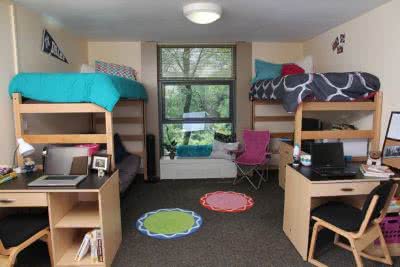
hall of residence

/ˌhɑːl əv ˈrez.ɪ.dəns/

(noun) 学生寮, 寄宿舎

例:

Many first-year students choose to live in a hall of residence.
多くの新入生は学生寮に住むことを選びます。

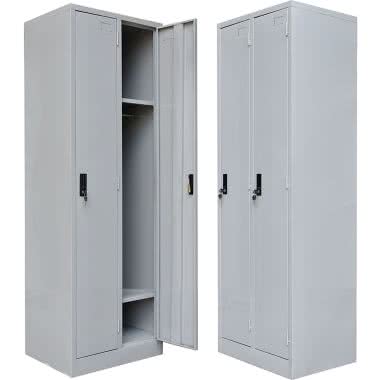
locker

/ˈlɑː.kɚ/

(noun) ロッカー, 鍵付き収納

例:

He put his books and coat in his locker before class.
彼は授業の前に本とコートをロッカーに入れた。

classroom

/ˈklæs.ruːm/

(noun) 教室

例:

The teacher decorated the classroom with colorful posters.
先生は教室をカラフルなポスターで飾った。

chalk

/tʃɑːk/

(noun) チョーク, 白亜, 炭酸マグネシウム;

(verb) チョークで書く, 記録する

例:

The teacher wrote on the blackboard with chalk.
先生は黒板にチョークで書いた。

lesson

/ˈles.ən/

(noun) 授業, レッスン, 教訓

例:

The students had a math lesson this morning.
生徒たちは今朝、数学の授業があった。

homework

/ˈhoʊm.wɝːk/

(noun) 宿題

例:

I have a lot of homework to finish tonight.
今夜はたくさんの宿題を終わらせなければならない。

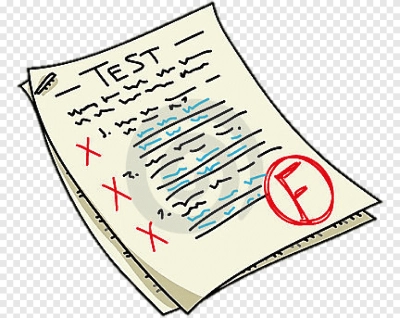
test

/test/

(noun) テスト, 試験;

(verb) テストする, 試す, 試練を与える

例:

The new software underwent rigorous tests before its release.
新しいソフトウェアはリリース前に厳格なテストを受けました。
Lingolandでこの語彙セットを学習