
Avatar of Vocabulary Set Top 26 - 50 Phrasal Verbs

Insieme di vocabolario Top 26 - 50 Phrasal Verbs in 250 Phrasal Verbs Inglesi Più Comuni: Lista completa e dettagliata

L'insieme di vocabolario 'Top 26 - 50 Phrasal Verbs' in '250 Phrasal Verbs Inglesi Più Comuni' è selezionato con cura da fonti di testi standard internazionali, aiutandoti a padroneggiare il vocabolario in breve tempo. Compilazione completa di definizioni, esempi illustrativi e pronuncia standard...

Impara questo insieme di vocabolario su Lingoland

Impara ora

put on

/pʊt ɑːn/

(phrasal verb) mettere, indossare, accendere

Esempio:

She decided to put on her favorite dress for the party.
Ha deciso di mettere su il suo vestito preferito per la festa.

ask for

/æsk fɔːr/

(phrasal verb) chiedere, chiedere di

Esempio:

I'm going to ask for a raise.
Chiederò un aumento.

open up

/ˈoʊpən ʌp/

(phrasal verb) aprire, rendere disponibile, aprirsi

Esempio:
The new road will open up the remote areas of the country.
La nuova strada aprirà le aree remote del paese.

get up

/ɡet ˈʌp/

(phrasal verb) alzarsi, organizzare, allestire

Esempio:

I usually get up at 7 AM on weekdays.
Di solito mi alzo alle 7 del mattino nei giorni feriali.

put in

/pʊt ɪn/

(phrasal verb) installare, mettere, impegnarsi

Esempio:

Can you help me put in this new light fixture?
Puoi aiutarmi a installare questa nuova lampada?

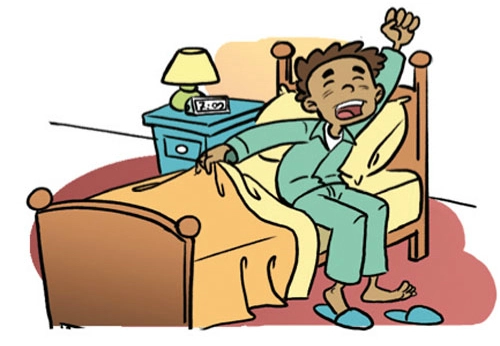
wake up

/weɪk ˈʌp/

(phrasal verb) svegliarsi, aprire gli occhi, rendersi conto

Esempio:

I usually wake up at 7 AM.
Di solito mi sveglio alle 7 del mattino.

move on

/muːv ɑːn/

(phrasal verb) passare a, procedere, andare avanti

Esempio:

After finishing college, she decided to move on to a new city.
Dopo aver finito il college, ha deciso di trasferirsi in una nuova città.

turn on

/tɜːrn ɑːn/

(phrasal verb) accendere, attivare, eccitare

Esempio:
Could you please turn on the lights?
Potresti per favore accendere le luci?

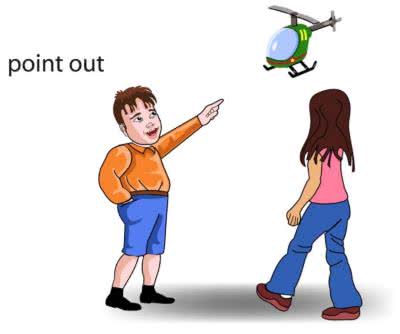
point out

/pɔɪnt aʊt/

(phrasal verb) indicare, mostrare, far notare

Esempio:

She pointed out the star in the night sky.
Ha indicato la stella nel cielo notturno.

hear from

/hɪr frʌm/

(phrasal verb) avere notizie da, ricevere notizie da

Esempio:

I haven't heard from him since he moved to Canada.
Non ho più avuto sue notizie da quando si è trasferito in Canada.

get out

/ɡet aʊt/

(phrasal verb) uscire, andarsene, venire fuori;

(exclamation) dai, non ci credo

Esempio:

I need to get out of here.
Devo uscire da qui.

give up

/ɡɪv ˈʌp/

(phrasal verb) arrendersi, rinunciare, smettere

Esempio:

Don't give up on your dreams.
Non arrenderti ai tuoi sogni.

go over

/ɡoʊ ˈoʊvər/

(phrasal verb) rivedere, esaminare, essere accolto

Esempio:

Let's go over the details one more time.
Rivediamo i dettagli ancora una volta.

get on

/ɡet ɑːn/

(phrasal verb) salire su, montare su, andare d'accordo

Esempio:

We need to get on the bus quickly before it leaves.
Dobbiamo salire sull'autobus velocemente prima che parta.

turn into

/tɜːrn ˈɪntuː/

(phrasal verb) trasformarsi in, diventare, svoltare in

Esempio:

The caterpillar will turn into a butterfly.
Il bruco si trasformerà in una farfalla.

bring in

/brɪŋ ɪn/

(phrasal verb) introdurre, istituire, fruttare

Esempio:

The government plans to bring in new regulations next year.
Il governo prevede di introdurre nuove normative l'anno prossimo.

hang out

/hæŋ aʊt/

(phrasal verb) passare il tempo, uscire, stendere

Esempio:

We often hang out at the coffee shop on weekends.
Spesso passiamo il tempo al bar nei fine settimana.

go away

/ɡoʊ əˈweɪ/

(phrasal verb) andare via, scomparire, andare in vacanza

Esempio:

Please go away and leave me alone.
Per favore, vattene e lasciami in pace.

talk down

/tɔːk daʊn/

(phrasal verb) parlare con condiscendenza, sminuire, convincere a desistere

Esempio:

He always talks down to his employees, which makes them feel undervalued.
Parla sempre con condiscendenza ai suoi dipendenti, il che li fa sentire sottovalutati.

take off

/teɪk ɔf/

(phrasal verb) togliere, levare, decollare

Esempio:

Please take off your shoes before entering the house.
Per favore, togliti le scarpe prima di entrare in casa.

agree with

/əˈɡriː wɪθ/

(phrasal verb) essere d'accordo con, concordare con, fare bene a

Esempio:

I agree with you on that point.
Sono d'accordo con te su quel punto.

turn to

/tɜːrn tə/

(phrasal verb) rivolgersi a, ricorrere a, dedicarsi a

Esempio:

When she faced difficulties, she always turned to her family for support.
Quando affrontava difficoltà, si rivolgeva sempre alla sua famiglia per supporto.

break down

/breɪk daʊn/

(phrasal verb) rompersi, guastarsi, crollare

Esempio:

My car broke down on the way to work.
La mia auto si è rotta mentre andavo al lavoro.

keep in

/kiːp ɪn/

(phrasal verb) tenere dentro, trattenere, restare in casa

Esempio:

The fence was built to keep the animals in.
La recinzione è stata costruita per tenere gli animali dentro.

hear of

/hɪr əv/

(phrasal verb) sentire parlare di, conoscere

Esempio:

Have you ever heard of a band called 'The Beatles'?
Hai mai sentito parlare di una band chiamata 'The Beatles'?
Impara questo insieme di vocabolario su Lingoland