
Physics Vocabulary Set in IELTS Academic (Band 8-9): Full and Detailed List
The 'Physics' vocabulary set in 'IELTS Academic (Band 8-9)' is carefully selected from standard international textbook sources, helping you master vocabulary in a short time. Comprehensive compilation of definitions, illustrative examples, and standard pronunciation...
Learn this vocabulary set on Lingoland
Learn Now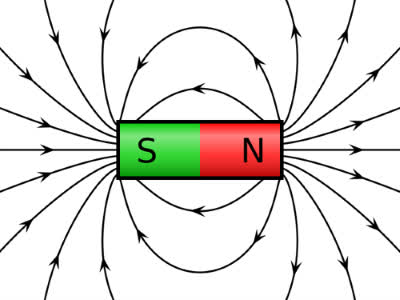
/iˌlek.troʊˈmæɡ.nə.tɪ.zəm/
Example:
Maxwell's equations are the foundation of classical electromagnetism.
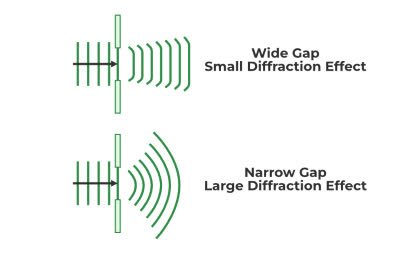
/dɪˈfræk.ʃən/
Example:
Light diffraction causes the rainbow patterns seen on CDs.
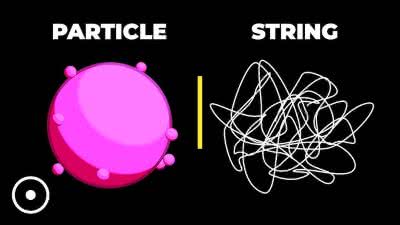
/strɪŋ ˈθiː.ri/
Example:
Many physicists are exploring string theory as a potential 'theory of everything'.

/kwɑːrk/
Example:
Protons and neutrons are made up of quarks.
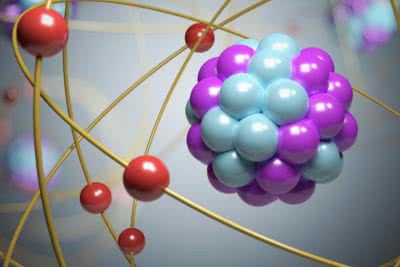
/ˈlep.tɑːn/
Example:
The electron is a fundamental lepton.
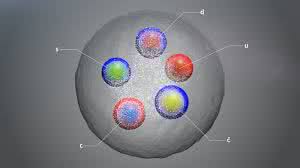
/ˈhæd.rɑːn/
Example:
Protons and neutrons are types of hadrons.
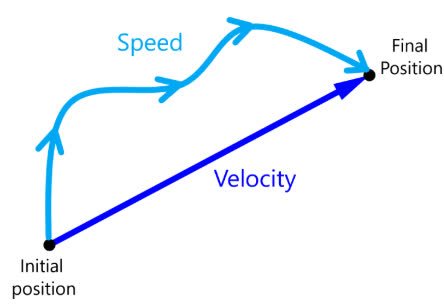
/vəˈlɑː.sə.t̬i/
Example:
The car reached a high velocity on the highway.
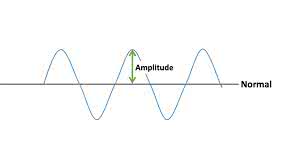
/ˈæm.plə.tuːd/
Example:
The amplitude of the sound wave determines its loudness.
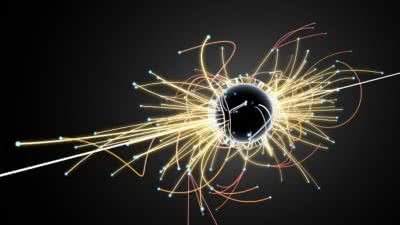
/ˈfɝː.miˌɑːn/
Example:
Electrons are examples of fermions, which are fundamental particles.
/ˈboʊ.sən/
Example:
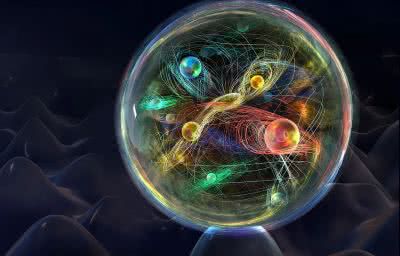
The Higgs boson is sometimes called the 'God particle'.
/ˌsen.trɪˈpiː.təl ˌfɔːrs/
Example:
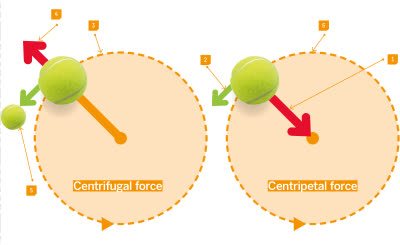
The centripetal force keeps the satellite in orbit around the Earth.
/ˈkuː.lɑːm/
Example:
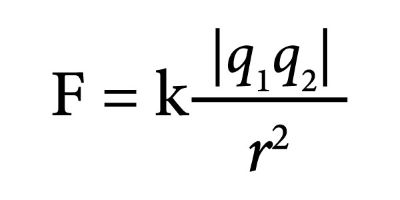
One coulomb is approximately 6.24 x 10^18 elementary charges.
/ˈdɑːp.lər ɪˌfekt/
Example:
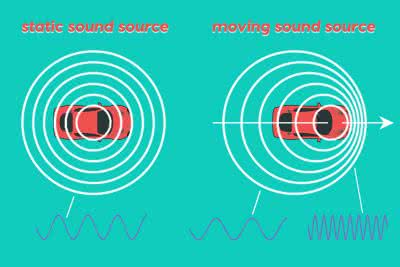
The siren's pitch changed due to the Doppler effect as the ambulance passed.
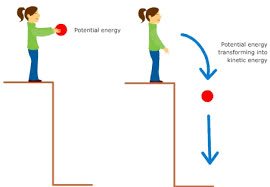
/kɪˌnet.ɪk ˈen.ɚ.dʒi/
Example:
The car's kinetic energy increased as it sped up.