
Astronomy Vocabulary Set in IELTS Academic (Band 8-9): Full and Detailed List
The 'Astronomy' vocabulary set in 'IELTS Academic (Band 8-9)' is carefully selected from standard international textbook sources, helping you master vocabulary in a short time. Comprehensive compilation of definitions, illustrative examples, and standard pronunciation...
Learn this vocabulary set on Lingoland
Learn Now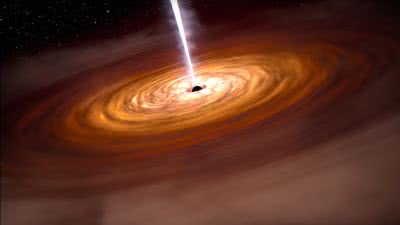
/ˈkweɪ.zɑːr/
Example:
Astronomers discovered a new quasar at the edge of the observable universe.

/kəˈroʊ.nə/
Example:
During the total solar eclipse, the sun's corona became visible.
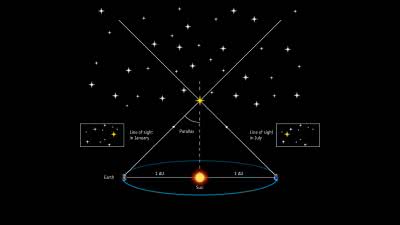
/ˈper.ə.læks/
Example:
Astronomers use parallax to measure the distance to nearby stars.
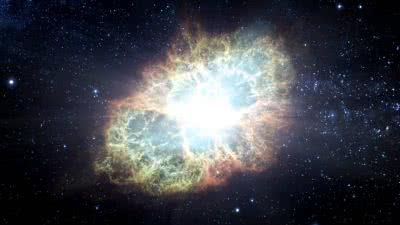
/ˌsuː.pɚˈnoʊ.və/
Example:
The distant galaxy was home to a spectacular supernova.
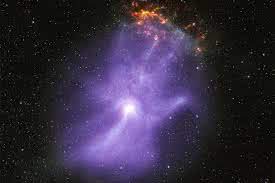
/ˈpʌl.sɑːr/
Example:
Astronomers discovered a new pulsar in the distant galaxy.
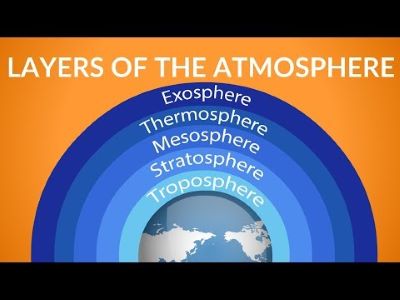
/ˈtrɑː.pə.sfɪr/
Example:
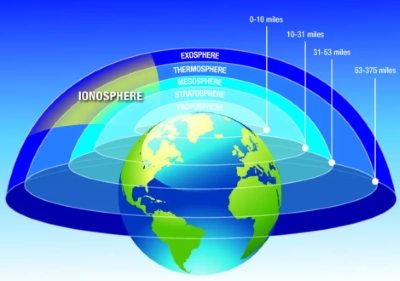
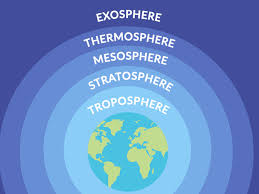
Most of the Earth's clouds are found in the troposphere.
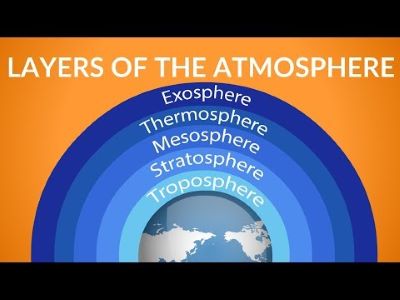
/ˈstræt̬.ə.sfɪr/
Example:
The ozone layer is located in the stratosphere.
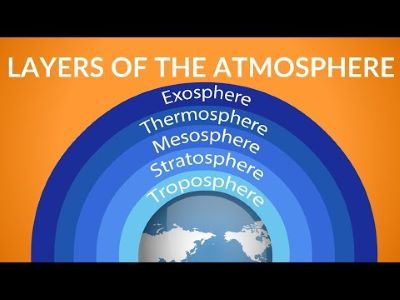
/ˈmez.oʊ.sfɪr/
Example:
Meteors usually burn up in the mesosphere before they can reach the Earth's surface.
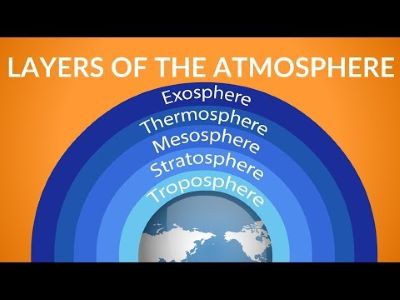
/ˈθɝː.moʊ.sfɪr/
Example:
The International Space Station orbits within the thermosphere.
/aɪˈɑː.nəˌsfɪr/
Example:
Radio signals can bounce off the ionosphere.
/ˈek.soʊ.sfɪr/
Example:
Satellites often orbit within the exosphere where there is very little atmospheric drag.