Avatar of Vocabulary Set 숫자

일반적인 어휘 내 숫자 어휘 세트: 완전하고 상세한 목록

'일반적인 어휘' 내 '숫자' 어휘 세트는 국제 표준 교재 출처에서 엄선되어 짧은 시간 안에 어휘를 마스터할 수 있도록 도와줍니다. 정의, 예문, 표준 발음을 완벽하게 수록...

Lingoland에서 이 어휘 세트 학습하기

지금 학습하기
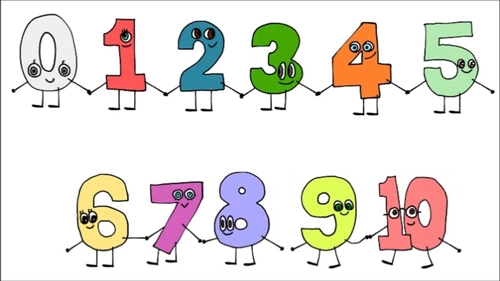
cardinal number

/ˈkɑːrdɪnəl ˈnʌmbər/

(noun) 기수

예시:

In the sentence 'There are three apples,' 'three' is a cardinal number.
'사과가 세 개 있다'는 문장에서 '세 개'는 기수이다.

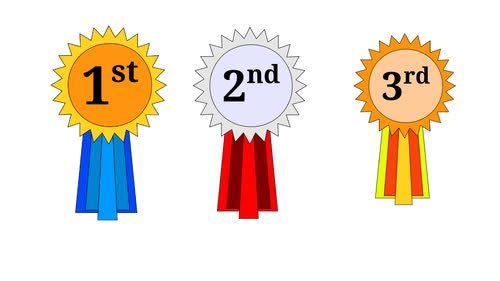
ordinal number

/ˈɔːrdɪnl ˈnʌmbər/

(ordinal number) 서수

예시:

First, second, and third are examples of ordinal numbers.
첫째, 둘째, 셋째는 서수의 예시입니다.

decimal

/ˈdes.ə.məl/

(adjective) 십진법의, 소수의;

(noun) 소수, 십진수

예시:
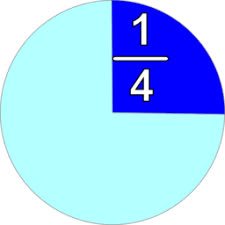
The price is given to two decimal places.
가격은 소수점 이하 두 자리 십진수로 표시됩니다.

fraction

/ˈfræk.ʃən/

(noun) 일부, 극히 일부, 분수

예시:

Only a small fraction of the population attended the meeting.
인구의 극히 일부만이 회의에 참석했다.

percentage

/pɚˈsen.t̬ɪdʒ/

(noun) 퍼센트, 비율, 수수료

예시:

A high percentage of students passed the exam.
많은 비율의 학생들이 시험에 합격했다.

arithmetic

/əˈrɪθ.mə.tɪk/

(noun) 산수, 셈

예시:

Basic arithmetic skills are essential for everyday life.
기본적인 산수 능력은 일상생활에 필수적이다.

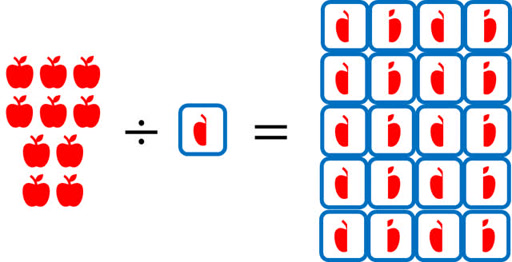
divide

/dɪˈvaɪd/

(verb) 나누다, 분리하다;

(noun) 경계, 구분

예시:

We need to divide the cake into equal slices.
케이크를 똑같은 조각으로 나눠야 해.

plus

/plʌs/

(preposition) 더하기, 게다가;

(noun) 장점, 이점;

(adverb) 게다가, 더욱이;

(adjective) 플러스, 양의

예시:

Two plus two is four.
2 더하기 2는 4입니다.

minus

/ˈmaɪ.nəs/

(preposition) 빼기, 마이너스, 단점;

(noun) 단점, 결점;

(adjective) 마이너스, 영하

예시:

Ten minus three is seven.
10 빼기 3은 7이다.

multiply

/ˈmʌl.tə.plaɪ/

(verb) 증가시키다, 늘리다, 곱하다

예시:

The bacteria will multiply rapidly in warm conditions.
박테리아는 따뜻한 환경에서 빠르게 증식할 것이다.

equal

/ˈiː.kwəl/

(adjective) 같은, 동등한, 대처할 수 있는;

(noun) 동등한 존재, 비할 데 없는 존재;

(verb) ~와 같다, ~에 해당하다

예시:

All men are created equal.
모든 사람은 평등하게 창조되었다.

total

/ˈtoʊ.t̬əl/

(noun) 총계, 합계;

(adjective) 총, 전체, 완전한;

(verb) 총계하다, 합계하다

예시:

The total cost of the trip was $500.
여행의 비용은 500달러였다.

dozen

/ˈdʌz.ən/

(noun) 다스, 12개, 수십;

(determiner) 다스 단위로, 12개씩

예시:

She bought a dozen eggs at the market.
그녀는 시장에서 12개의 달걀을 샀다.

around

/əˈraʊnd/

(preposition) 주변에, 주위에, 근처에;

(adverb) 주변에, 어딘가에, 전 세계를

예시:

The fence goes around the garden.
울타리가 정원 주변에 둘러져 있어.

zero

/ˈzɪr.oʊ/

(noun) 영, 제로, 아무것도 없음;

(adjective) 영의, 존재하지 않는;

(verb) 영점 조절하다, 초기화하다

예시:

The temperature dropped to zero degrees Celsius.
기온이 섭씨 0도까지 떨어졌다.

hundred

/ˈhʌn.drəd/

(number) 백;

(plural noun) 수백

예시:

There are one hundred cents in a dollar.
1달러에는 100센트가 있습니다.

thousand

/ˈθaʊ.zənd/

(number) 천;

(noun) 수천, 많은 수

예시:

The city has a population of over a thousand.
그 도시는 인구가 명이 넘는다.

million

/ˈmɪl.jən/

(number) 백만;

(noun) 수백만, 매우 많은 수

예시:

The city has a population of over two million.
그 도시는 인구가 2백만 명이 넘는다.

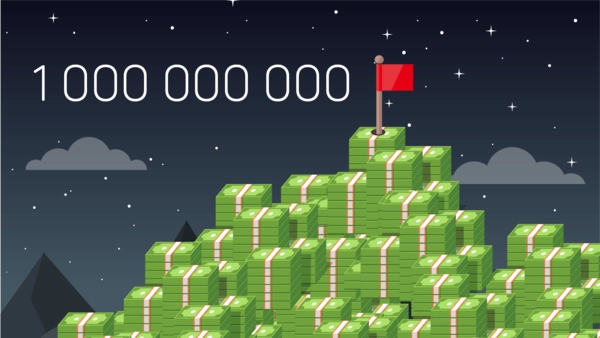
billion

/ˈbɪl.jən/

(number) 10억;

(noun) 엄청나게 많은, 수많은

예시:

The company is valued at over a billion dollars.
그 회사는 10억 달러 이상의 가치가 있다.

half

/hæf/

(noun) 절반, 반;

(determiner) 반의;

(adverb) 반쯤, 부분적으로

예시:

She ate half of the apple.
그녀는 사과의 절반을 먹었다.
Lingoland에서 이 어휘 세트 학습하기